Global Cancer Care: Top Nations for Treatment & Research
"The best care often lies where research funding meets clinical precision."
Navigating a cancer diagnosis requires understanding where the world's most advanced medical resources are concentrated. You must evaluate research investment, technological integration, and systemic care models to plan for international medical needs effectively.
Key Takeaways * Research Powerhouses: The United States remains a leader in oncology due to massive research investments and high volumes of clinical trials. * Systemic Differences: Countries like Germany offer robust public health frameworks, while the U.S.
excels in highly specialized, private-sector innovation. * Selection Criteria: When evaluating international centers, look for JCI accreditation and high research output.
* Planning Ahead: Successful overseas treatment requires early coordination of medical records, language support, and insurance verification.

What makes a cancer center world-class? At dawn, a doctor leans against a cold marble desk in the quiet clinic, feeling the heavy stillness of the morning air.
At 10:15 AM, a patient sits in a quiet, sunlit waiting room, watching a digital screen display the latest breakthroughs in genomic sequencing. This moment of anticipation is common when seeking specialized care.
A world-class cancer center is not defined merely by its size, but by its integration of research and clinical practice. High-tier institutions are often characterized by their ability to offer access to experimental therapies through large-scale clinical trials.
International accreditation, such as that provided by the Joint Commission International (JCI), serves as a benchmark for safety and quality standards. This ensures that a facility in a foreign country meets rigorous operational requirements.
Current trends in oncology focus heavily on personalized medicine. This involves tailoring treatment to the specific genetic profile of a tumor, often utilizing immunotherapy to help the body's own immune system fight the disease.
However, even the most advanced center can be difficult to navigate without understanding the underlying financial and research structures.

Which countries lead in cancer research? In a sterile, white-walled lab, a researcher stares through a microscope, documenting the minute changes in a cell culture. This tireless work forms the backbone of global oncology advancements.
The United States currently leads the global landscape in oncology research and development. This leadership is fueled by massive institutional funding and significant philanthropic support.
MD Anderson Cancer Center serves as a primary example of this research intensity. According to News & World Report, this center ranks first in the number of National Cancer Institute grants and invested $1.2 billion in research in FY 2023.
Financial support for these centers often comes from diverse global sources. For instance, in 2011, the President of the United Arab Emirates donated $150 million to MD Anderson Cancer Center.
Such large-scale contributions allow for the expansion of specialized facilities and long-term studies. Philanthropy also targets specific nursing and care specialties.
Howard Meyers donated $25 million to establish the Meyers Institute for Oncology Nursing at MD Anderson Cancer Center in Houston, Texas.
Furthermore, government grants often fund highly specific, critical research areas. MD Anderson received a $5.1 million grant from the National Institutes of Health (NIH) to support cervical cancer prevention and treatment for women living with HIV.
| Country/Region | Primary Strength | Typical Care Model |
|---|---|---|
| United States | Research & Innovation | Private/Specialized |
| Germany | Systemic Integration | Public/Social Insurance |
| Japan | Precision Diagnostics | Hybrid/Highly Regulated |
| South Korea | High-Tech Infrastructure | Specialized/Efficient |
While the research in the U.S. is unparalleled, the way that care is delivered to the average patient varies wildly by border.
How Do Different Countries Structure Their Cancer Care Systems?
A woman walks through a well-lit clinic, checking in for a routine screening as part of a national health initiative. In many countries, this process is seamless and highly regulated.
The structure of cancer care varies significantly between nations. In many European countries, such as Germany, the healthcare system is built on a robust public insurance model. This often leads to high rates of early detection through standardized national screening programs.
In contrast, the United States relies more heavily on a private insurance-driven model. While this can lead to higher costs, it also fosters an environment of intense competition and rapid technological adoption in specialized cancer centers.
Early detection rates are a critical metric for comparing national health outcomes. Countries with centralized health databases often have more efficient ways to track and implement cancer prevention strategies across their entire population.
But having a great system doesn't matter if you don't have the right tools to use it.
What Advanced Technologies and Treatment Modalities Are Available Globally?
A technician adjusts the settings on a high-resolution imaging machine, preparing for a scan that will map a tumor's exact boundaries. The precision of this technology is life-changing.
The global oncology landscape is being transformed by advanced diagnostic methods. Genetic sequencing is now a standard in many top-tier centers, allowing doctors to identify specific mutations that drive cancer growth.
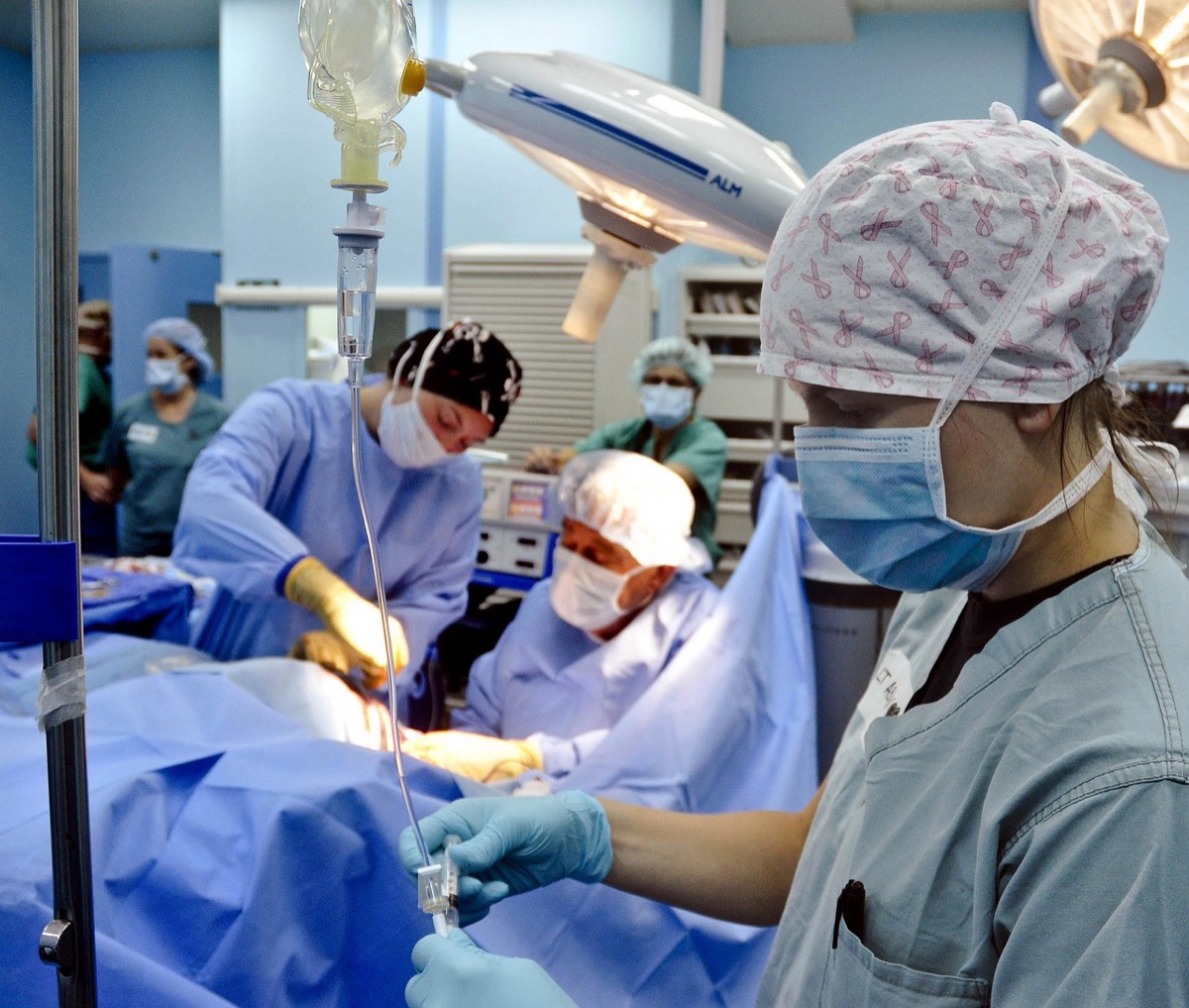
Advanced treatment modalities have moved beyond traditional chemotherapy. Robotic surgery allows for minimally invasive procedures, reducing recovery times and physical trauma for the patient.
The integration of Artificial Intelligence (AI) is the next frontier. AI is currently being used to analyze vast amounts of pathology data, helping clinicians identify patterns in imaging that might be invisible to the human eye. This leads to more accurate staging and treatment planning.
The problem, however, is not just about the technology; it is about how you, the patient, actually reach it.
How Can Patients Navigate Overseas Cancer Treatment?
I remember sitting at my kitchen table late one Tuesday night, staring at a stack of medical files and a map of the world, trying to figure out if a trip to Houston was worth the logistical nightmare. It felt overwhelming to balance medical urgency with travel logistics.
Navigating care in a foreign country requires meticulous preparation. If you are considering international treatment, follow this structured approach:
- Initial Consultation: Reach out to the international patient department of the target hospital to request a remote second opinion.
- Document Gathering: Collect all pathology reports, imaging (on digital formats like DICOM), and current treatment histories.
- Translation Services: Ensure all medical documents are translated into the local language by certified medical translators to prevent errors.
- Logistical Planning: Arrange for long-term accommodation, local transportation, and a dedicated caregiver if necessary.
- Financial Verification: Confirm how your insurance provider handles "out-of-network" or "international" claims before arriving.
While costs for specialized procedures vary widely, patients should prepare for significant expenses involving consultation fees, specialized imaging, and local lodging. It is essential to understand how your specific insurance policy covers international medical services.
What Resources Are Available for Patients Seeking Information?
A student sits at a library desk, comparing different international health reports to understand global trends. Reliable data is the best tool for informed decision-making.
When researching hospitals and care standards, rely on established international organizations. You can find verified data and rankings through:
* Newsweek & US News: For hospital rankings and specialized center reputations. * JCI (Joint Commission International): For verifying the accreditation and safety standards of a facility. * WHO (World Health Organization): For understanding broader health trends and national healthcare profiles.
Disclaimer: This article is provided for informational purposes only and does not constitute medical advice, diagnosis, or treatment. Always seek the advice of your physician or other qualified health provider with any questions you may have regarding a medical condition.
Never disregard professional medical advice or delay in seeking it because of something you have read here.
FAQ
세계적인 수준의 암 치료 센터를 판단하는 기준은 무엇인가요?
암 치료 분야에서 연구 선두를 보이는 국가들은 어디인가요?
해외에서 암 치료를 성공적으로 받으려면 무엇을 준비해야 하나요?
Related posts

US Healthcare Guide: Navigating Private and Public Insurance

WHO Health Standards: Building Resilient Global Societies

Global Hospital Rankings 2026: Beyond Reputation Scores

Urgent Care Abroad: Dialing Codes & Contact Guide
Popular posts

90 Days Out: Preparing for Your Overseas Medical Appointment
Global Hospital Rankings 2026: Beyond Reputation Scores
Global Hospital Rankings 2026: Data Over Reputation

Comments 0