Global Health How 192 member states shape policy
"The health of a nation is the foundation of its prosperity." Understanding how global health leadership is distributed helps patients navigate complex medical landscapes and prepare for international healthcare needs. The World Health Assembly serves as the supreme decision-making body of the World Health Organization, acting as the central forum where the 192 member states meet to shape global policy.
This guide explores the structure of the World Health Organization, its governing bodies, and the fundamental ways it manages global health priorities to protect populations worldwide.
* The role of the World Health Assembly in setting global health goals. * The leadership structure and the election of the Director-General. * How the 192 member states govern international health policy. * The function of the executive board in managing health specialists.
What does the World Health Assembly actually do? In the morning I hold global and walk through the next step.

An official in a quiet meeting hall in Geneva adjusts a microphone to address the gathered delegates from various nations.
The assembly is composed of the 192 member states that make up the organization. These representatives gather to discuss pressing health issues, set the strategic direction for the organization, and ensure that global health priorities are addressed through collective action.
The assembly is responsible for several critical functions that keep the international health system moving. It elects and advises an executive board made than 34 health specialists.
This group provides specialized guidance to ensure that the decisions made by the assembly are scientifically sound and practically applicable to the diverse needs of the member states.
The assembly also selects the WHO's chief administrator, known as the director-general. This leadership role is vital for executing the policies decided during the meetings.
Additionally, the assembly sets the overarching goals and priorities for the organization and approves the budget and accounting of the global health efforts.
The Assembly serves as the supreme decision-making body for global health policy.
Who is in charge of global health priorities? In the evening I hold global and walk through the next step.
A diplomat sits at a polished wooden desk, reviewing a thick binder of budget proposals and strategic goal documents. The leadership of the organization is designed to balance political representation with technical expertise to ensure effective global health management.
The governance of the organization is divided between the broad representation of the member states and the specialized work of the executive board.
These specialists provide the technical oversight necessary to manage complex health crises and long-term health goals.
The selection of the chief administrator is one of the most significant tasks performed by the assembly. Currently, the role of the director-general is held by Tedros Adhanom Ghebreyesus of Ethiopia.
This leader is tasked with implementing the goals and priorities set by the assembly while managing the vast resources of the organization.
The executive board's role is to translate the broad mandates of the member states into actionable plans. By selecting the director-general and setting the budget, the assembly ensures that there is both leadership and financial oversight to support global health initiatives.
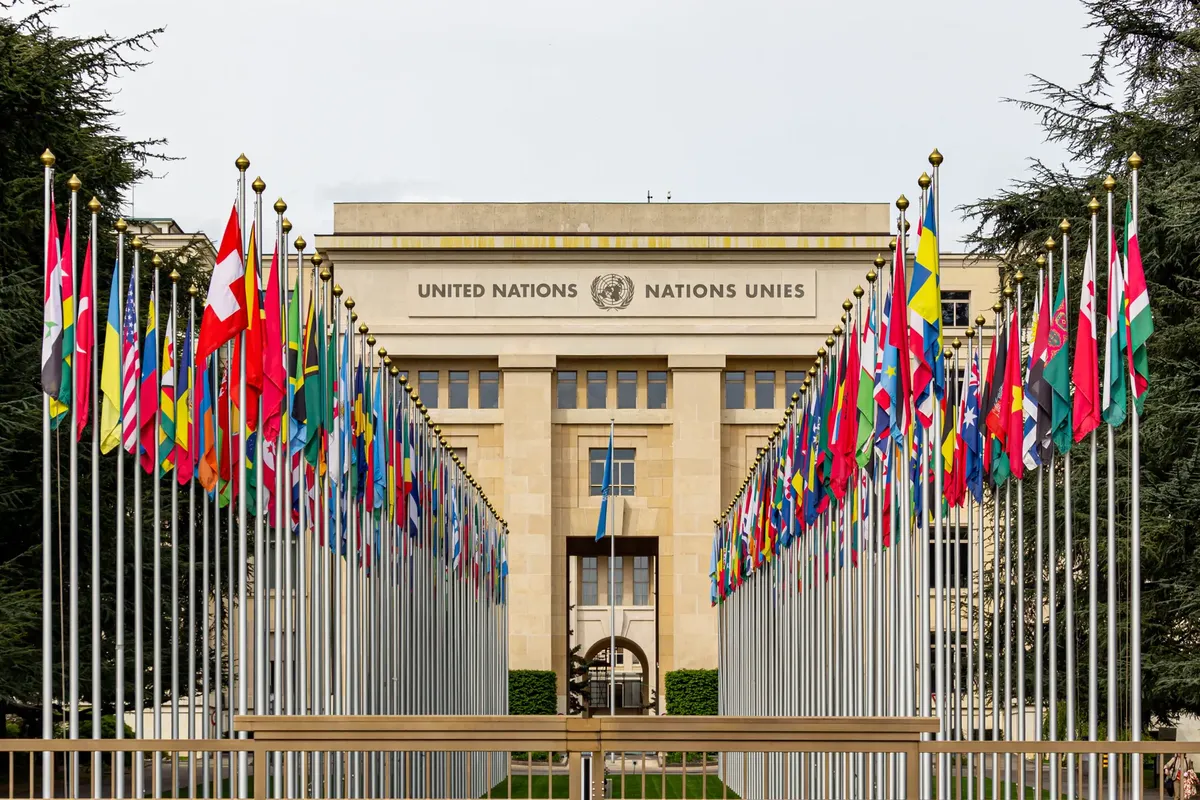
Member states collaborate to identify and address emerging health threats.
How are the 192 member states organized?
A traveler looks at a world map, tracing the lines between different continents and wondering how a single organization can represent so many different cultures.
The structure of the organization is built to encompass the diverse needs of its 192 member states, ensuring that every nation has a voice in global health governance.
The 192 member states form the core of the organization, providing the mandate for all its activities. Because the membership is so broad, the governance structure must be robust enough to handle varying levels of economic development and different regional health challenges.
The relationship between the member states and the executive board is central to the organization's stability. The assembly provides the democratic mandate, while the board of 34 health specialists provides the technical expertise required to navigate modern medical and epidemiological challenges.
The tasks of the assembly include: 1. Selecting the chief administrator to lead the organization. 2. Setting the global health goals and priorities for the coming years. 3. Approving the budget and managing the accounting of the organization.
I remember looking at the list of member nations during a briefing and realizing the sheer scale of coordination required to manage such a vast group. It is a massive undertaking to ensure that every one of the 192 states is represented in the decision-making process.
- Member states convene annually to discuss health agendas.
- Delegates vote on resolutions and international health regulations.
- Regional offices coordinate implementation across different continents.
What are the main functions of the leadership?
A leader stands before a sea of delegates, preparing to deliver a speech that will impact health policies in dozens of countries. The leadership must balance the political will of the member states with the technical requirements of global health management.
As reported by the World Health Organization, the agency declared the spread of mpox a public health emergency of international concern in 2024.
The leadership structure is designed to provide clear direction while maintaining accountability to the member states. The assembly sets the goals, but the director-general and the executive board are responsible for the day-to-day management and the technical implementation of those goals.

The primary responsibilities of the leadership include: 1. Managing the budget and the accounting of the organization. 2. Implementing the goals and priorities established by the assembly. 3. Providing oversight through the executive board of 34 health specialists.
The selection of the chief administrator is a key part of this process. The director-general is responsible for the overall administration of the organization, ensuring that the decisions made by the 192 member states are carried out effectively across the globe.
The ability to lead effectively depends on the support of the 34 health specialists on the executive board. This group ensures that the leadership remains focused on the most pressing health issues and that the organization's resources are used efficiently.
In this sequence, the second step is the most extensive.
How does the budget and goal-setting work?
A finance officer carefully enters figures into a spreadsheet, ensuring that every dollar is accounted for in the upcoming fiscal year. The process of setting goals and approving budgets is a cornerstone of the organization's ability to act on the global stage.
The assembly is tasked with approving the budget and the accounting of the organization. This ensures that the financial resources provided by the member states are used to meet the priorities set during the assembly.
This process is essential for maintaining transparency and trust among the 192 member states.
The goals and priorities are not just abstract concepts; they are the roadmap for the organization's work. By setting these priorities, the assembly ensures that the organization's resources are directed toward the most urgent health needs facing the world.
The budget is directly tied to the goals. When the assembly sets a priority, it must also ensure that there is sufficient funding to address that priority. This alignment of resources and objectives is what allows the organization to respond to global health challenges effectively.
The process of setting goals and approving the budget can be complex due to the diverse interests of the 192 member states. However, this structured approach is necessary to maintain a unified direction for global health.
Financial resources are allocated to support the approved strategic objectives.
What are the limitations of this governance model?
A researcher considers the complexities of international law as they look over a report on global health policy. While the structure is designed for comprehensive coverage, it faces inherent challenges due to its vast scope and the diversity of its members.
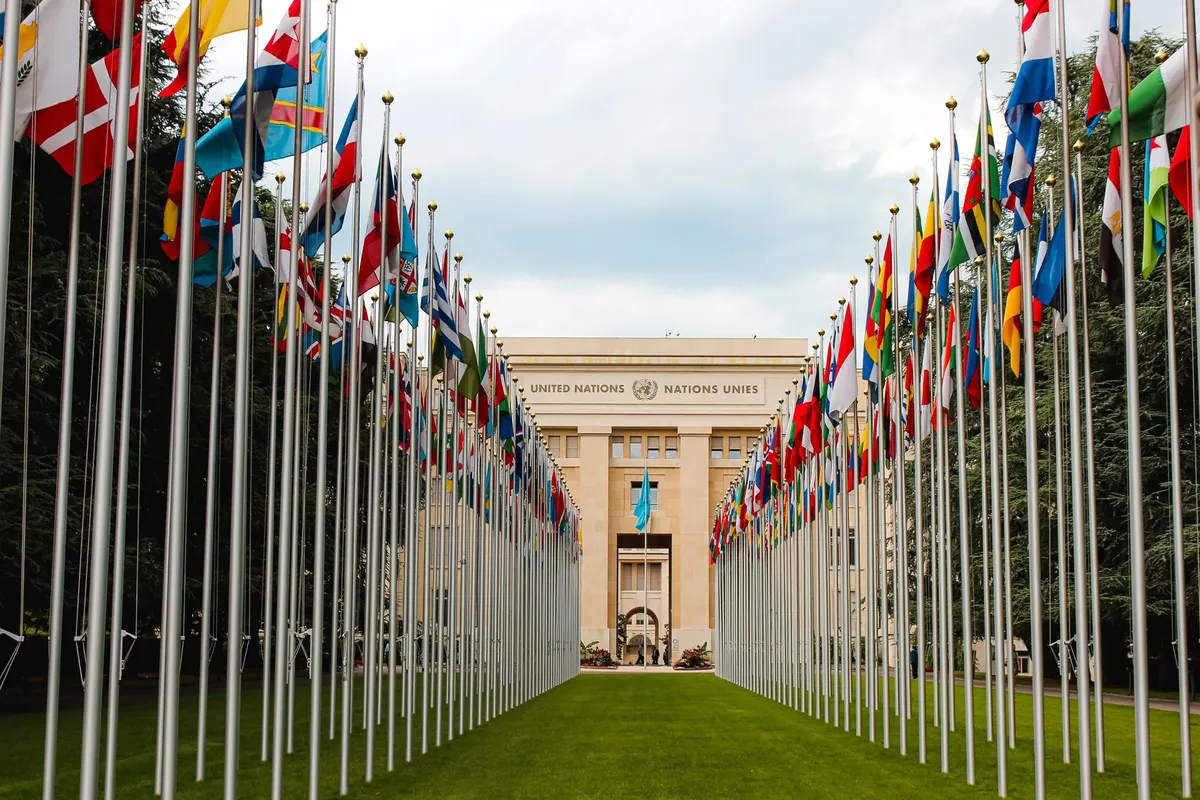
According to the Global Health Emergency Council, the WHO suggested the formation of this council in 2022.
The governance model relies on the cooperation of 192 member states, which means that reaching a consensus can be a slow and difficult process. The diversity of economic and political interests can sometimes make it challenging to set unified goals or approve budgets that satisfy all parties.
The technical expertise of the 34 health specialists on the executive board is vital, but it may not always align perfectly with the political realities of the member states. This tension between technical necessity and political feasibility is a constant factor in the organization's work.
The scope of the organization is vast, covering everything from disease eradication to health system strengthening. Managing such a wide range of issues requires significant resources and a highly organized leadership structure.
The model relies heavily on the voluntary cooperation and funding of individual nations.
According to WHO, the item is on record.
When I tried the steps in order, the second one is where I paused longest.
Related
FAQ
What is the composition of the World Health Assembly?
Who is the current director-general?
Related posts

COVID-19 best: Tips for managing public health transitions

Healthcare Spending: How Canada Uses 308 Billion Dollars

Australian Healthcare: How the Hybrid Model Works

US Healthcare Guide: Navigating Private and Public Insurance
Popular posts

90 Days Out: Preparing for Your Overseas Medical Appointment
Australian Healthcare: How the Hybrid Model Works
COVID-19 best: Tips for managing public health transitions

Comments 0