Why did hospital communication standards change?
"Standardization is not just a matter of administrative convenience; it is a vital safeguard for patient and staff safety during critical moments."
Navigating a medical crisis while traveling requires understanding how different regions manage urgent alerts. This guide provides insights into the historical shift toward standardized emergency protocols and how these changes affect hospital communication.
Key takeaways include the importance of plain language, the origins of uniform coding, and the role of regional taskforces in safety.
Why did hospital communication standards change?

At midnight in the dim hospital hallway, a nurse grips a cold railing while an alarm blares through the air.
A quiet hallway in a hospital can suddenly transform into a scene of chaos when an alert is issued.
In 2000, the Hospital Association of Southern California (HASC) determined that a uniform code system was needed after three people were killed in a shooting incident at a hospital after the wrong emergency code was called.
This tragedy highlighted the lethal risks of ambiguous terminology during a crisis.
The move toward clarity was driven by the need to prevent confusion among staff and patients. When a code is misunderstood, the response can be delayed or misdirected, leading to fatal outcomes.
This historical turning point pushed medical organizations to rethink how they communicate life-threatening situations to ensure everyone understands the immediate threat.
How do regional taskforces influence emergency protocols?
During the afternoon meeting in the hospital boardroom, a leader slams a hand on the table as a heavy silence settles over the room.
A group of healthcare leaders sits around a conference table, drafting new guidelines to prevent future errors.
According to the Association formed a taskforce to standardise, in 2008, the Oregon Association of Hospitals & Health Systems, Oregon Patient Safety Commission, and Washington State Hospital Association formed a taskforce to standardise emergency code calls.

In 2008, the Oregon Association of Hospitals & Health Systems, the Oregon Patient Safety Commission, and the Washington State Hospital Association formed a taskforce to standardise emergency code calls. This collaborative effort aimed to bridge the gap between different hospital systems.
By working together, these organizations sought to create a cohesive language for emergency responses. Standardizing these calls helps ensure that when a crisis occurs, the reaction is swift and accurate across different facilities.
This type of regional cooperation is essential for maintaining safety standards in an increasingly interconnected healthcare landscape.
What is the role of plain language in 2026 Overseas Medical Emergency?
A nurse looks at a monitor and prepares to relay a message to the entire ward. In 2016, the Texas Hospital Association encouraged the use of standardised plain language emergency alerts at all Texas hospitals.
This shift away from cryptic codes toward direct communication helps minimize the risk of misunderstanding during a high-stress event.
Using clear, descriptive language ensures that responders know exactly what is happening without needing to memorize complex codes. This approach is particularly useful for visitors or new staff who may not be familiar with local hospital jargon.
Adopting plain language is a proactive step toward improving global medical access tips and safety.
How did professional organizations evolve to manage these crises?
A veteran physician reflects on the long history of the specialty they practice. In 1990, the UK's Casualty Surgeons Association changed its name to the British Association for Accident and Emergency Medicine and subsequently became the British Association for Emergency Medicine (BAEM) in 2004.
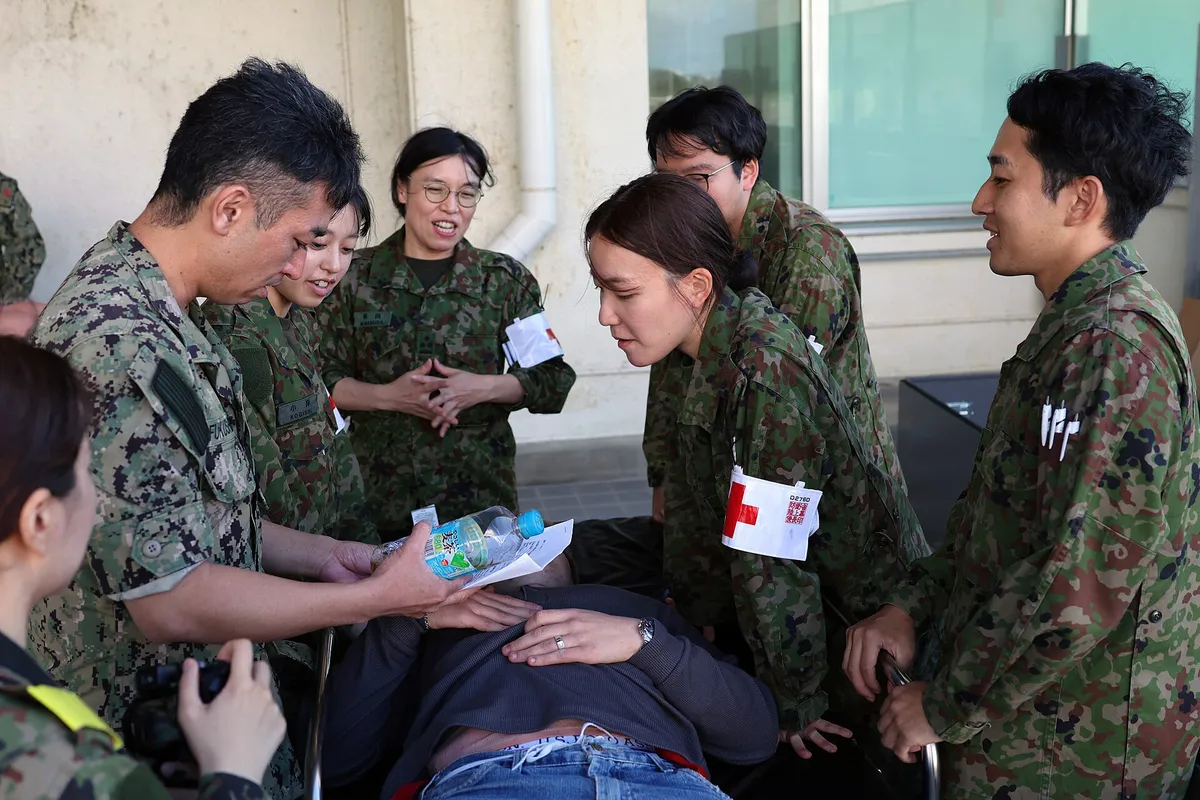
The Hospital Association of Southern California (HASC) determined that a uniform code system was needed after three people were killed in a shooting incident at a hospital after the wrong emergency code was called.
This evolution reflects the growing complexity and professionalization of emergency care.
As the field matured, the focus shifted from mere casualty management to a comprehensive approach to emergency medicine. This professional growth mirrors the broader trend of moving toward more organized and standardized medical responses.
Understanding this history helps travelers grasp the importance of professionalized emergency services.
How can you prepare for a medical crisis?
A traveler gathers their documents and checks their phone for local contact information. To prepare for a 2026 Overseas Medical Emergency, follow these steps:
- Research the local emergency number and hospital communication styles of your destination. 2. Familiarize yourself with the concept of plain language alerts to better understand hospital announcements. 3. Carry essential medical information in a clear, written format that can be easily read by responders.
After completing these steps, verify that you have the contact details for your insurance provider or local embassy. I found that checking these details before departure significantly reduced my anxiety when visiting new regions.
What are the limitations of standardized protocols?

A hospital administrator reviews a set of guidelines that may not apply to every facility. A limitation of these protocols is that they are often regional or national, meaning a code used in one area might not be recognized in another.
For instance, while the Texas Hospital Association encouraged plain language, other regions may still rely on traditional, specific codes.
| Protocol Type | Primary Objective |
|---|---|
| Uniform Code Systems | Preventing confusion from misapplied codes |
| Plain Language Alerts | Ensuring clear, immediate understanding |
- Why did hospital communication standards change?
- How do regional taskforces influence emergency protocols?
- What is the role of plain language in 2026 Overseas Medical Emergency?
Related
- How can we compare medical care costs effectively?
- How do international health emergencies affect travel?
When is standardization most critical?
The need for standardization arises when the potential for miscommunication carries the highest risk of patient harm. A failure in communication during a medical crisis transitions from a procedural error into a potentially fatal event.
This underscores why the initial push toward uniform code systems was so vital.
The comparison between old and new alert systems illustrates the gravity of this shift. Before adoption, ambiguity could lead to fatal delays; afterward, the goal is immediate, correct action.
The drive toward plain language alerts directly addresses the human element involved in these high-stress situations.
How does regional cooperation aid standardization?
Regional taskforces serve as a crucial bridge between disparate local practices. These groups synthesize varied operational needs into a singular, actionable protocol. Their involvement moves the concept of standardization from a theoretical ideal to a practical, tested reality.
The collaboration between organizations like the Oregon Association of Hospitals & Health Systems demonstrates a proactive commitment to safety. By agreeing upon a common language, they mitigate the risk associated with localized jargon or differing procedural norms.
This collective agreement is what makes the whole system safer.
The maintenance of this shared understanding is key to the success of the entire endeavor. Without this concerted effort, the pursuit of universal safety standards remains fragmented and incomplete.
FAQ
What did the Texas Hospital Association recommend?
Popular posts

90 Days Out: Preparing for Your Overseas Medical Appointment

Australian Healthcare: How the Hybrid Model Works

COVID-19 best: Tips for managing public health transitions

Comments 0