US cancer hospital origins: Guide to modern treatment
"The history of specialized oncology is a journey from localized clinical care to massive, integrated research ecosystems."
The evolution of US cancer hospital origins is defined by a transition from single-purpose facilities to sprawling, multi-disciplinary hubs. This development has transformed how patients access cutting-edge treatments and how scientists conduct large-scale clinical trials.
Key takeaways: * The shift toward massive medical hubs like the Texas Medical Center has enabled higher research density. * Financial investments and large-scale facility expansions drive modern clinical trial capacity.

* Integrated academic and clinical models support both student education and patient care.
How did the landscape of cancer care change?
At dusk, an elderly physician touches the cold stone walls of the old clinic, remembering when cancer care was nothing more than a single room.
A researcher walks through a massive laboratory, observing the scale of modern scientific inquiry. The early history of cancer care in the United States began with smaller, more isolated units, but it has evolved into a complex system of specialized institutes.
The development of these centers often relied on strategic location and foundational support.
This strategic placement helped establish a foundation for what would become a massive medical hub.
Understanding the history of cancer care US requires looking at how these institutions moved from simple treatment sites to comprehensive academic centers. The shift toward larger, integrated campuses allowed for a more cohesive approach to both education and patient care.
- The shift from general oncology to highly specialized precision medicine.
- The transition from localized treatment to integrated systemic care.
- The move from hospital-based care to research-driven clinical environments.
What defines a modern research-focused center? US cancer hospital origins
A scientist peers into a microscope in a high-tech lab, preparing for a new series of experiments. Modern centers are characterized by their ability to host a vast number of simultaneous studies and massive research investments.
The scale of modern research is reflected in significant financial commitments. According to News & World Report, the cancer center ranks first in the number of National Cancer Institute grants and invested $1.2 billion in research in FY 2023.
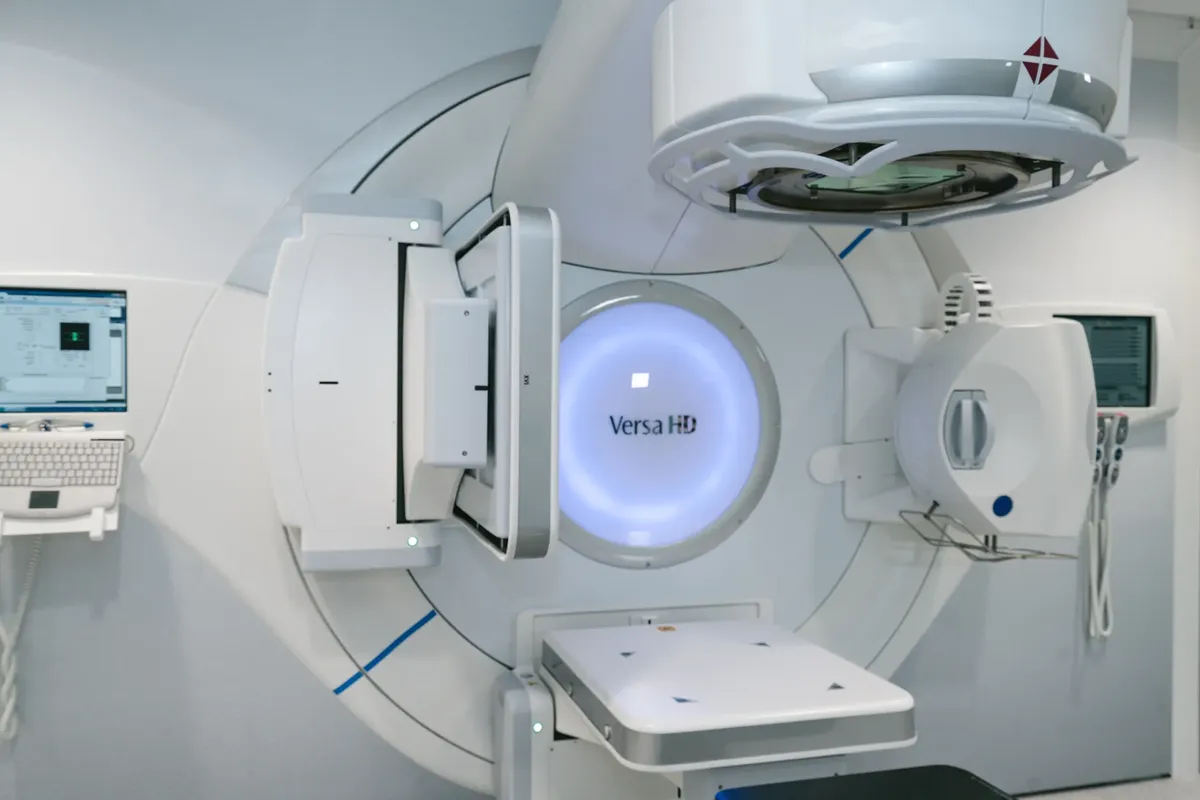
This level of funding supports an enormous breadth of scientific inquiry.
The evolution of cancer centers is also visible in the sheer volume of clinical activity. As of 2023, MD Anderson Cancer Center is home to the highest number of cancer clinical trials in the world and has received more NCI-funded projects than any other U.S.
This concentration of talent and resources defines the current era of oncology.
In this sequence, the second point is the most extensive.
How does geography influence medical development?
An architect reviews blueprints for a sprawling new campus in a bustling city. The physical environment, such as being located within a "Medical Mini-City," provides a unique advantage for research and clinical synergy.
The Texas Medical Center serves as a prime example of this geographic influence. This density of facilities fosters a unique environment for collaborative science.
The US cancer research journey is heavily influenced by such high-density hubs. Being part of the largest medical center and life sciences destination in the world allows for better integration of basic science and translational research.
What are the steps to expanding a research campus?
A construction crew breaks ground on a massive foundation under a bright morning sun. Expanding a facility requires careful planning, massive land use, and significant capital to ensure the infrastructure can support future breakthroughs.
To understand how these institutions grow, one can look at the recent expansion efforts in Houston:
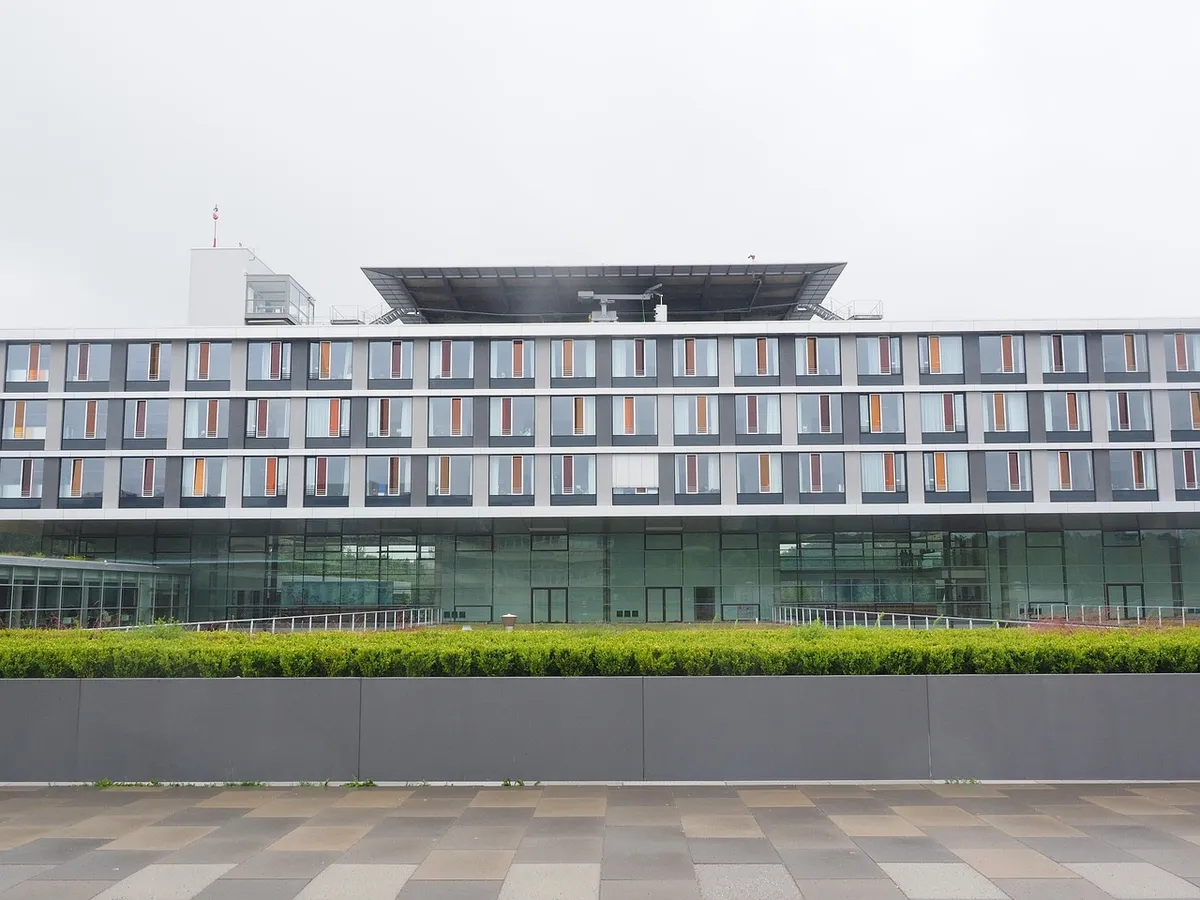
- Identify a strategic location within an existing medical hub to leverage surrounding resources. 2. Secure large-scale funding for specialized research parks or new buildings. 3. Break ground on massive new facilities to serve as the centerpiece for research expansion.
In 2023, MD Anderson Cancer Center broke ground on a new 600,000-square-foot facility in the Helix Park of the Texas Medical Center (TMC) to serve as the centerpiece of the institution’s large south campus research park.
This expansion demonstrates the physical scale required to sustain modern research.
How do specialized institutes function within a large system?
A nurse moves between different specialized departments, coordinating care for various patient needs. Large centers often house multiple specialized institutes to enhance their comprehensive approach to cancer care.
A comparison of different specialized needs can be seen in how these institutions structure their buildings:
| Facility Type | Purpose | Location Example |
|---|---|---|
| Pediatric Unit | Specialized children's care | 9th floor of the main building |
| Research Park | Large-scale research centerpiece | Helix Park |
I observed how these different departments must work in harmony to provide comprehensive care. The integration of specialized units ensures that specific patient populations, such as pediatric patients, receive targeted attention within the larger campus.
What are the limitations of these massive systems?
A visitor stands at the edge of a vast campus, looking at the sheer scale of the buildings. While these centers are powerful, their vastness can present logistical challenges regarding the integration of various specialized departments.
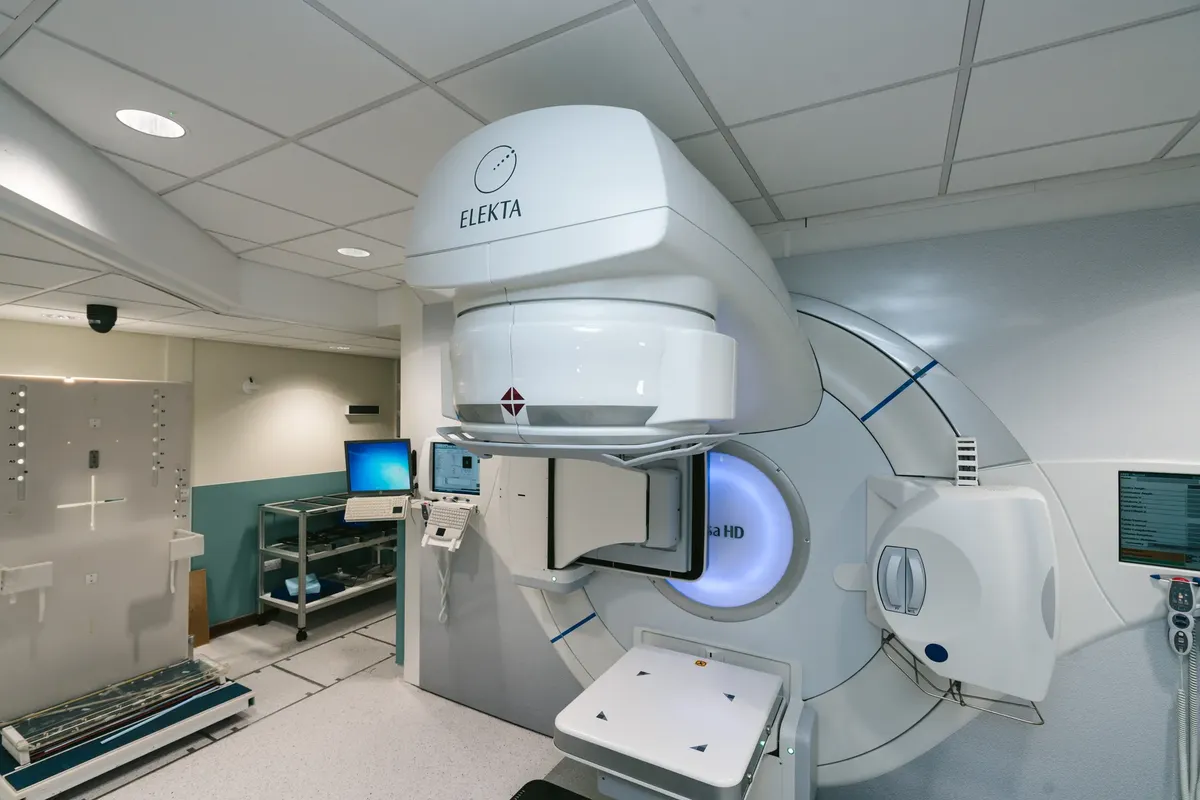
The complexity of these institutions is a natural result of their scale. While they provide immense resources, the sheer size of a 600,000-square-foot facility or a "Medical Mini-City" requires significant management to maintain cohesive care.
The history of specialized oncology remains tied to the ability to balance massive research capacity with individual patient needs.
The subject here is US cancer hospital origins.
The same subject is also called Early cancer treatment centers.
This part also covers Pioneering cancer facility establishment.
This part also covers Modern cancer center features.
This part also covers US medical history cancer.
Pioneering cancer facility establishment
Related
FAQ
Where is the main campus located?
Related posts

US university hospital specialties guide for advanced care

Healthcare access index comparison: Spending levels and GDP

Ischemic Heart Disease best hospital heart care guide

Global Health How 192 member states shape policy
Popular posts

90 Days Out: Preparing for Your Overseas Medical Appointment

Australian Healthcare: How the Hybrid Model Works

COVID-19 best: Tips for managing public health transitions

Comments 0