US trauma care system: Vital role of specialized staff, how
"A trauma center must ensure that a general or trauma surgeon can respond to a patient's bedside within 15 minutes of notification at least 80% of the time."
The US trauma care system relies on specialized facilities designed to manage life-threatening injuries through rapid response and high-volume expertise. This system utilizes strictly defined levels of care to ensure that critical patients receive immediate surgical or medical intervention.
Key takeaways include the importance of rapid surgeon response times, the role of specialized accreditation, and the mortality benefits of high-level trauma centers.
How does the US trauma care system function?
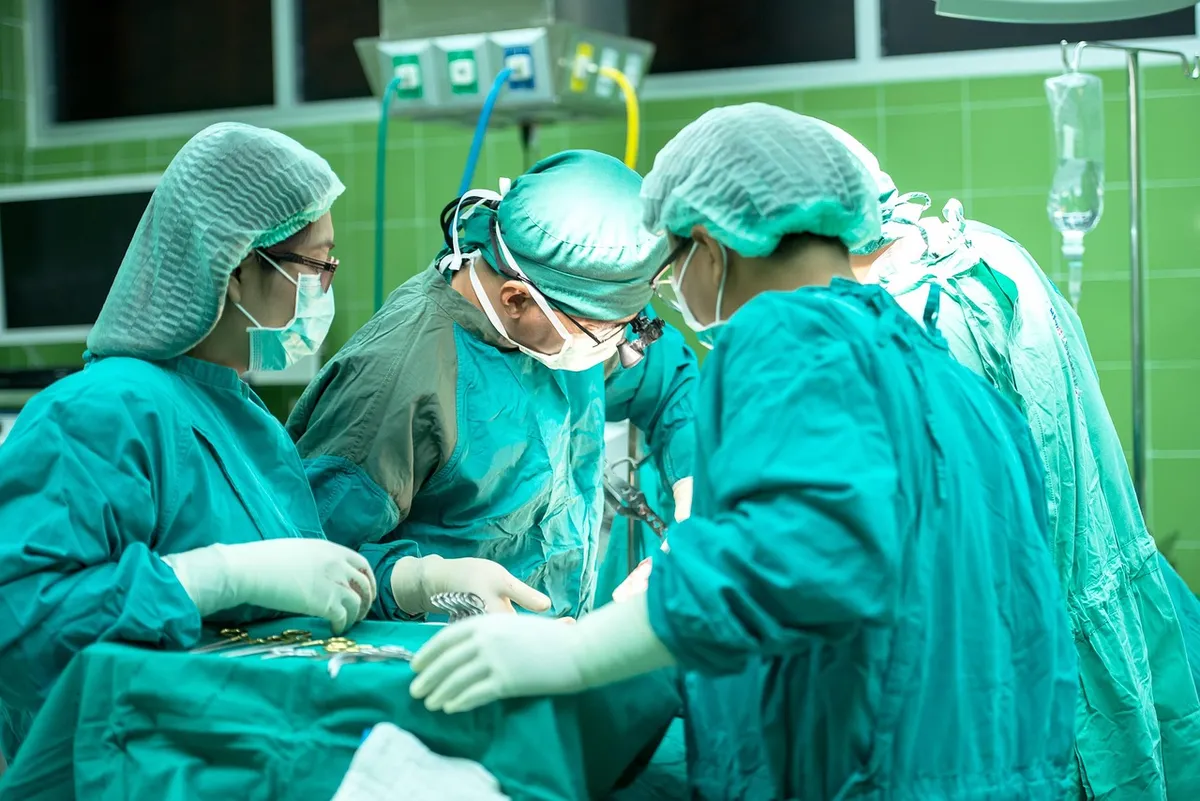
A medical team rushes toward a sudden notification in a quiet hallway, preparing for a life-saving intervention. The US trauma care system functions through a tiered structure of specialized centers that maintain around-the-clock readiness for severe injuries.
This organization ensures that life-saving resources and personnel are always available when critical incidents occur.
A hospital qualifies for trauma center status by meeting specific criteria established by the American College of Surgeons and passing a site review by the Verification Review Committee. These standards ensure that facilities are prepared for high-acuity cases.
Maintaining such readiness requires a full range of specialists and equipment available 24 hours a day.
The system also requires that the facility admits a minimum required annual volume of severely injured patients to maintain proficiency. This volume ensures that staff members regularly handle the complex cases they are trained for.
This specialized structure is the foundation of the US trauma care system.
However, the effectiveness of this system can be limited in remote rural areas where specialized resources are scarce.
What are the pathways for my most severe patients?
As the sirens wail through the night, the surgeon scrubs their hands under cold water, mentally mapping the critical pathways for my most severe patients and their sudden trauma. A surgeon scrubs in while a nurse prepares a trauma bay for an incoming emergency. Managing severe patient treatment requires highly coordinated workflows that bridge the gap between arrival and definitive surgical intervention.
These pathways focus on minimizing the time between injury and life-saving treatment.
Upon a patient's arrival in the Emergency Department, physicians and trauma-trained nurses must be immediately available. This immediate presence is vital for stabilizing patients during the initial minutes of care. Such readiness is a cornerstone of effective critical care pathways.
If a facility is not open 24 hours daily, it must maintain a strictly defined after-hours trauma response protocol. This ensures that even non-specialized hospitals have a way to manage sudden crises. These protocols help maintain continuity in emergency medical care.
- Initial assessment and stabilization
- Rapid diagnostic imaging
- Definitive surgical intervention
According to Firefighters Burn Institute, the 2005 record includes 1 million.
How does a trauma center model actually work? A specialized team works in a high-tech environment to stabilize a patient during a critical window. A specialized trauma center model is built around the necessity of rapid-response capabilities and specialized personnel. These centers act as hubs for regional emergency response.
One essential requirement is that a general or trauma surgeon must be able to respond to a patient's bedside within 15 minutes of notification at least 80% of the time. This speed is critical for managing life-threatening conditions. This rapid response is a key element of the trauma center model.

The presence of trauma-trained nurses is also a mandatory component for maintaining high standards. These professionals work alongside physicians to manage complex stabilization tasks. This level of specialized staffing is essential for effective trauma center management.
I find that the third step in this model is the most complex.
According to Outpatient Surgery and Endoscopy Center, the 2004 record includes 18.5 million.
How do critical care units manage mortality?
A monitor beeps steadily in a room where a specialized team monitors a patient's vitals. Managing critical care units involves balancing high-intensity medical interventions with continuous monitoring of unstable patients.
The primary goal is to stabilize the patient while preparing for definitive surgery.
Being treated at a Level I trauma center can reduce mortality by 25% compared to a non-trauma center. This significant difference highlights the importance of specialized, high-volume facilities. Such outcomes are the primary objective of advanced trauma services.
The specialized nature of these units allows for the management of complex physiological changes. This specialized environment is designed to handle the most difficult cases. These outcomes are the result of rigorous training and standardized protocols.
This approach does not apply to patients requiring long-term palliative care rather than acute intervention.
What are the standards for emergency medical response?
An ambulance siren fades in the distance as the trauma team prepares for a new arrival. Effective emergency medical response requires seamless communication between transport teams and hospital staff. This coordination ensures that the transition from the field to the hospital is smooth.
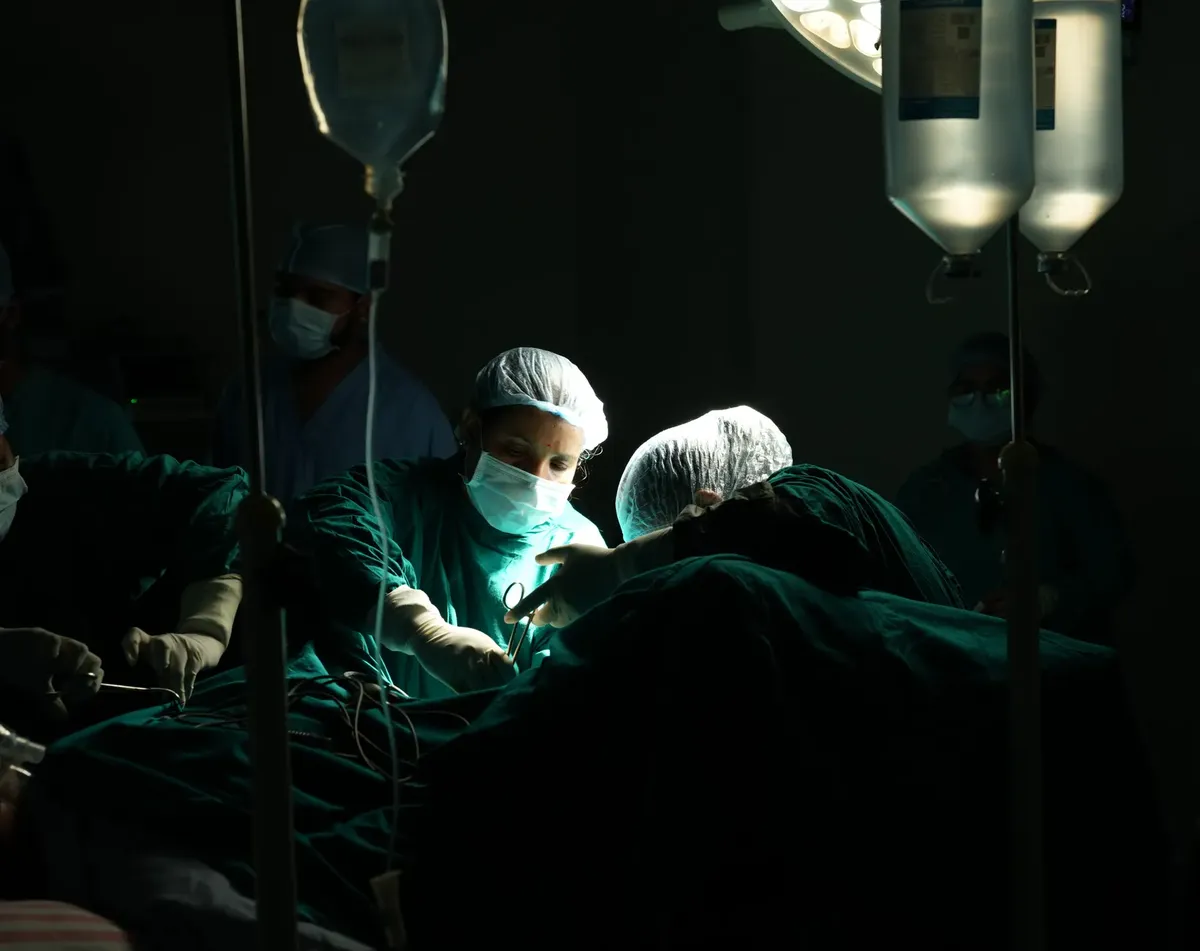
The system relies on the ability of the hospital to handle high-acuity cases immediately upon arrival. This requires specialized equipment and trained staff to be ready at all times. This readiness is vital for successful emergency medical response.
The integration of pre-hospital care with hospital-based trauma teams is also a critical component. This ensures that the level of care begins before the patient even reaches the hospital doors. This continuity is essential for the survival of severely injured patients.
The effectiveness of these standards is limited during mass casualty events that overwhelm local capacity.
Related
- US cancer care network model: Guide to research funding
- Major hospital bed capacity: Guide to service delivery
How is the continuity of care maintained?
- The immediate availability of physicians and trauma-trained nurses upon arrival in the Emergency Department is crucial for initial stabilization. 2. If a facility lacks 24-hour operation, it must implement a documented after-hours trauma response protocol. 3. This protocol ensures that sudden medical crises can still be managed effectively, maintaining care continuity.
This process does not apply when patients are transferred to facilities with incompatible electronic health records.
In 2005 the Firefighters Burn Institute donated $1 million to help build a new, larger center that will consolidate services in a single location, according to the Firefighters Burn Institute.
What is the role of accreditation in the trauma center?
- Accreditation signifies that a hospital has met specific benchmarks set by expert bodies. 2. These benchmarks include the availability of necessary equipment and a full complement of specialists. 3. Maintaining this status confirms the facility's preparedness for high-acuity patient encounters. This rigorous process underpins the entire trauma center model.
FAQ
Does a trauma center status affect mortality rates?
What are the requirements for surgeon response?
Related posts

US cancer care network model: Guide to research funding

Major hospital bed capacity: Guide to service delivery

US hospital system merger: Guide to growth and efficiency

How does a university hospital model function in practice?
Popular posts

90 Days Out: Preparing for Your Overseas Medical Appointment

Australian Healthcare: How the Hybrid Model Works

COVID-19 best: Tips for managing public health transitions

Comments 0