How do specialized medical designations impact patient care?
"The pursuit of specialized neurological care requires understanding the specific strengths of regional centers and the global landscape of surgical expertise."
This guide provides a comparison of specialized medical facilities and the evolving standards of advanced treatment. It covers the importance of regional designations, the scope of specialized surgical societies, and how specific medical advancements change treatment availability.

Key takeaways include the role of specialized centers in pediatric life support, the expansion of cellular therapies, and the global distribution of neurosurgical expertise.
How do specialized medical designations impact patient care?
An administrator reviews a state health designation certificate during a quiet morning meeting. In 2016, Phoenix Children's was designated by the Arizona Department of Health Services as the only pediatric Advanced Life Support (ALS) Base Hospital in the state.
This specific designation ensures that critical pediatric cases have a designated hub for life-saving coordination.
The designation provides a structure for emergency response that standard hospitals may not possess. Such roles are vital for managing high-acuity pediatric patients who require immediate, specialized intervention.
This level of readiness distinguishes a base hospital from general medical facilities.
- Identify specific clinical needs.
- Match patients with specialized practitioners.
- Implement targeted treatment protocols.
What defines a center of excellence in neurology? Brain disease hospital ranking 2026
A surgeon examines a complex brain scan in a brightly lit diagnostic suite. The Barrow Neurological Institute at Phoenix Children's hospital, also called Barrow at Phoenix Children's, is the neurological and neurosurgery Center of Excellence at Phoenix Children's Hospital in Phoenix, Arizona.
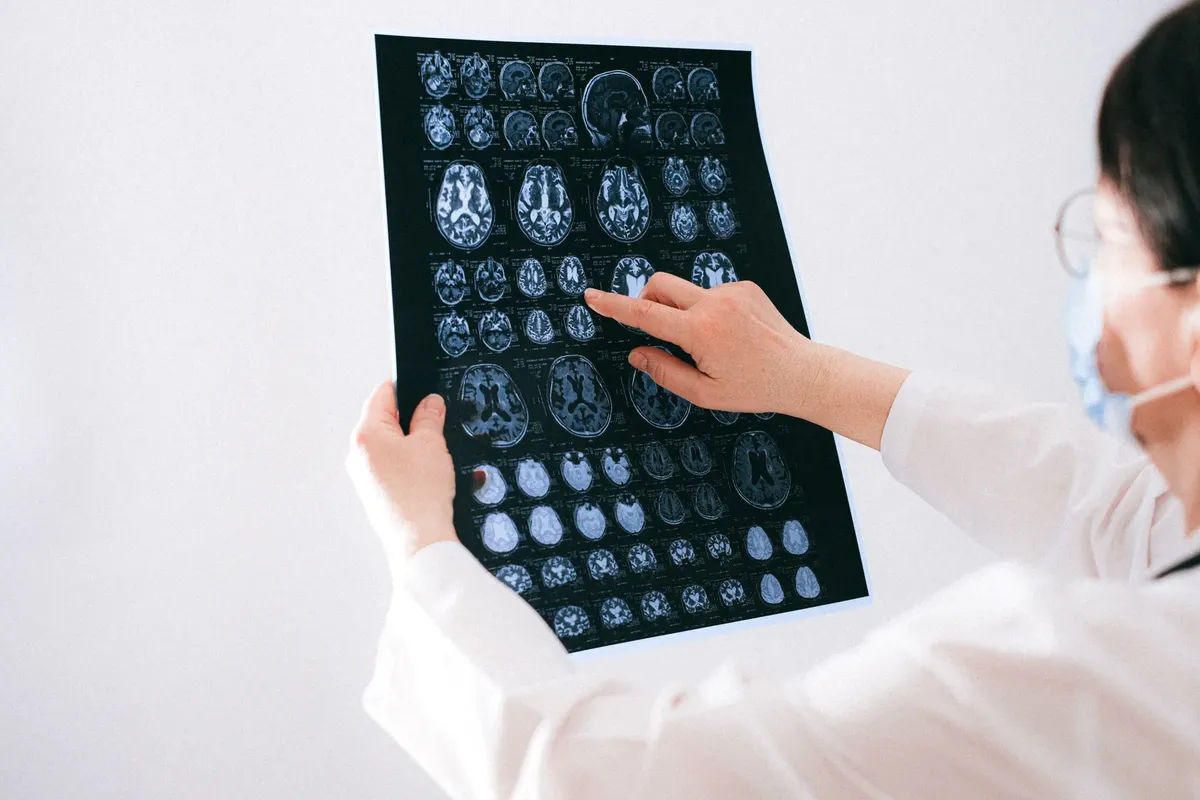
This center serves as a specialized hub for neurological care within its facility.
Centers of excellence often integrate high-level diagnostic tools with specialized surgical teams. This integration allows for more precise management of neurological conditions. The focus remains on providing advanced care that exceeds standard hospital capabilities.
In this order, the second step is the most extensive.
How does global neurosurgical expertise distribute across regions?
A group of surgeons from different nations gathers for a professional conference. It was founded in 1964 and is made up of twenty-eight national societies, totaling 60 percent of neurosurgeons globally. This professional network represents a significant portion of the world's surgical expertise.
The scale of such an organization highlights the international cooperation required in neurosurgery. Having a large percentage of global specialists within a single framework suggests a high level of standardized expertise. This connectivity facilitates the sharing of advanced surgical techniques.
| Feature | Description |
|---|---|
| Global Representation | 60 percent of neurosurgeons globally |
| Foundation Year | 1964 |
I looked at the distribution of these twenty-eight national societies to understand the sheer scale of the professional network.
How have therapy approvals changed for specific diseases?

A researcher reviews updated clinical guidelines in a quiet office. The FDA originally approved CAR T-Cell therapy only for myeloma patients in later stages of the disease, but in 2024 expanded approval to include patients who have relapsed after only a single line of treatment.
In November 2020, the Food and Drug Administration issued an emergency use authorisation for the investigational monoclonal antibody therapy bamlanivimab for the treatment of mild-to-moderate COVID‑19, according to the Food and Drug Administration.
This change significantly alters the timing of advanced intervention for certain patients.
The expansion of approval means that patients can access specialized cellular therapies earlier in their treatment journey. This shift reflects an evolving understanding of how to manage relapsed conditions. It changes the landscape of available options for those requiring intensive care.
What are the limitations of specialized medical data?
A data analyst checks the parameters of a study to ensure accuracy. The available information is limited to specific historical designations and the scope of existing professional societies. For instance, the designation of a base hospital is specific to a particular state and time.
The scope of information provided does not cover real-time hospital rankings or global hospital capacity shifts. The data focuses on specific historical milestones and the established membership of professional organizations.
The subject here is Brain disease hospital ranking 2026.
The same subject is also called Top brain care hospitals 2026.
The same subject is also called Global brain treatment comparison.
The same subject is also called Leading neurology centers ranking.
The same subject is also called Best brain disease hospitals now.
This part also covers Advanced diagnostic standards.
This part also covers Country specific treatment strengths.
This part also covers 2026 medical assessment criteria.
Advanced diagnostic standards
Related
- How can we evaluate medical service quality comparison?
- What defines top-tier medical systems in California?
How does the pursuit of specialized care compare across different settings?
The comparison between regional centers and global organizations demonstrates varied approaches to advanced medical treatment. The pursuit of specialized care relies on both localized designation and worldwide collaboration.
Regional centers provide immediate, high-acuity support, while global bodies contribute the broadest range of surgical knowledge.
This duality underscores that optimal patient outcomes often depend on both local infrastructure and access to international thought leaders. The specific strengths of a regional center must be weighed against the global landscape of surgical expertise when determining the best course of action.
What cautions accompany the pursuit of advanced treatment?
The pursuit of advanced treatment carries inherent limitations regarding data availability and treatment applicability. The effectiveness of a center of excellence is bound by the scope of its integration and the limitations of current diagnostic tools.
For example, the information regarding a base hospital is strictly tied to a specific state's designation at a particular time. Therefore, any assessment of a center must account for these temporal and geographical constraints.
This caution prevents overstating the current capabilities of any single institution.
FAQ
How much of the global neurosurgeon population is represented by the mentioned societies?
Related posts


Popular posts

90 Days Out: Preparing for Your Overseas Medical Appointment

Australian Healthcare: How the Hybrid Model Works

COVID-19 best: Tips for managing public health transitions

Comments 0