Why robotic systems meet US specialty hospital criteria best
"The history of medical technology is often defined by the moment a single machine changes how a surgeon interacts with a patient's body."
Understanding US specialty hospital criteria requires looking at how specific technological breakthroughs define excellence in specialized care.
This guide examines how FDA-approved robotic systems established new benchmarks for surgical precision and how these standards shape modern medical excellence standards.
Key takeaways include the historical impact of early robotic camera holders, the specialized application of TORS in head and neck procedures, and the emergence of dental robotics.
How did early robotic breakthroughs define US specialty hospital criteria?

A technician adjusts a mechanical arm in a sterile operating room, marking the transition from manual tools to automated assistance. In 1994, the introduction of AESOP represented a significant shift in how surgical tools were utilized.
According to Wikipedia, AESOP was the first laparoscopic camera holder to be granted the FDA's approval for commercial use.
This milestone established an early foundation for evaluating specialized care quality metrics. By automating the stabilization of imaging tools, the technology allowed surgeons to focus more intently on the surgical field.
This shift toward precision helped shape how hospitals began to select equipment to meet high-performance standards.
Initial advancements in robotic precision established a baseline for equipment standards, shifting the focus of specialty hospitals toward high-tech infrastructure and specialized surgical suites.
What role does specialized technique play in evaluating medical expertise?
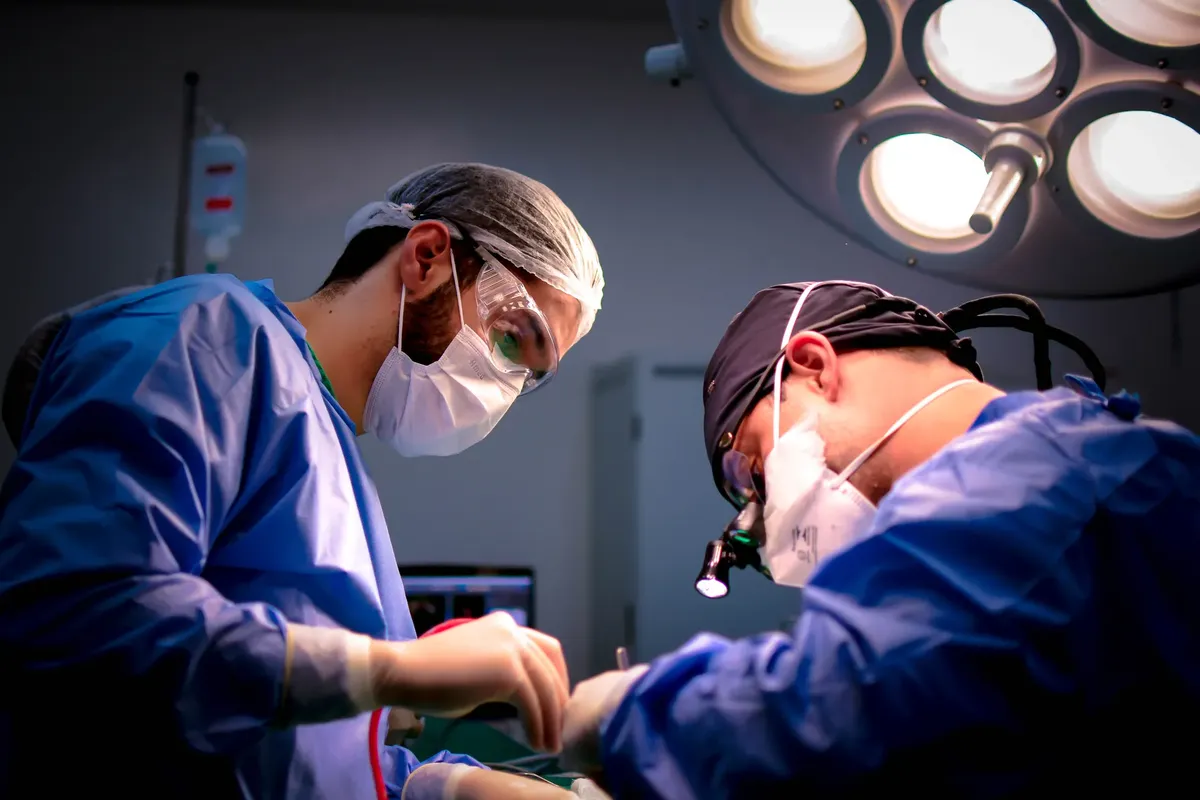
A surgeon carefully maneuvers a robotic interface to perform a delicate procedure on a patient model. In 2005, the medical community saw the documentation of transoral robotic surgery (TORS) in canine and cadaveric models.
This technique was designed specifically for the da Vinci robot surgical system.
As noted by Wikipedia, the da Vinci system was the only FDA-approved robot to perform head and neck surgery at that time. This specific application demonstrates how specialized equipment can define a hospital's reputation in niche fields.

Understanding these specialized tasks is essential when analyzing surgical outcomes in complex anatomical regions.
Expertise is often measured by a surgeon's ability to translate complex mechanical capabilities into refined clinical outcomes through nuanced hand-eye coordination and procedural mastery.
How is computer-assisted surgery shaping the future of dental care?
A specialist in a bright clinic examines the software interface of a new dental robotic device. In 2017, Neocis, a US-based dental robotics company from Miami, Florida, reached a significant regulatory milestone.
The company became the first to receive government approval to develop machines and software for computer-assisted surgery.
This development expands the scope of how we view top specialty hospital ranking. While traditional surgery focuses on larger anatomical structures, dental robotics introduces a new layer of precision.
This advancement allows for more targeted interventions, setting a new bar for how specialized care is delivered in outpatient settings.
Digital imaging and automated guidance allow for higher precision in implant placement and restorative procedures, reducing manual error in complex oral surgeries.
What are the steps to assess robotic surgical capability?
A hospital administrator reviews a spreadsheet of technological certifications and historical performance data. When evaluating a facility's ability to perform advanced procedures, one must look at the integration of approved technology.
- Verify the FDA-approved status of all robotic systems used in specific surgical departments to ensure they meet current safety standards. 2. Review the history of specialized techniques, such as TORS, to see if the hospital has successfully implemented niche surgical applications. 3. Assess the presence of specialized software and hardware, such as those developed by companies like Neocis, to determine the facility's technological edge.
A final check involves comparing the hospital's specific equipment capabilities against the unique requirements of the intended surgical specialty.
- Evaluate the technical specifications and range of motion of the robotic hardware.
- Assess the integration capabilities with existing hospital imaging systems.
- Verify the training protocols and proficiency levels of the surgical staff.
How do we compare different robotic surgical applications?
A researcher sits at a desk, comparing two different technological profiles on a computer screen. Different robotic systems are designed for vastly different anatomical needs, making a direct comparison of all machines difficult.
| Application Type | Primary Focus | Key Feature |
|---|---|---|
| Laparoscopic Assistance | Camera stabilization | First FDA-approved commercial use |
| Head and Neck Surgery | Transoral access | Specialized TORS technique |
I found that comparing these different eras of technology helps clarify how much the standards of excellence have evolved. While the AESOP system focused on visualization, newer systems allow for direct, intricate tissue manipulation.
Comparisons rely on analyzing task-specific accuracy, the degree of surgeon autonomy, and the clinical efficiency gained across different surgical disciplines.
What are the limitations of current hospital selection criteria?

A medical auditor notes that while technology is vital, it is only one piece of the larger healthcare puzzle. Evaluating a hospital based solely on its robotic equipment can be limiting if the clinical expertise of the staff is not also considered.
One limitation is that the presence of a specific robot does not guarantee mastery of every procedure. For instance, while a system might be approved for specific tasks, its effectiveness remains dependent on the surgeon's training in that specific technique.
Current criteria often prioritize hardware ownership over the actual clinical proficiency of the staff, potentially overlooking the human element of surgical success.
Related
- Nursing accreditation hospital trust: Guide to excellence
- US trauma care system: Vital role of specialized staff, how
How does the history of medical technology inform modern practice?
The history of medical technology reveals a progression from basic mechanical aids to complex, computer-controlled interventions. The initial success of AESOP in 1994 established the critical importance of regulatory clearance for visualization tools.
This early adoption of technology set a precedent for the rigorous standards now applied to advanced surgical robotics.
This journey illustrates how the history of medical technology is intrinsically linked to the advancement of surgical procedures. The shift from manual dexterity to automated assistance marks a pivotal moment in modern medical practice.
The initial focus on camera stabilization paved the way for subsequent procedures requiring micro-level control.
What cautions apply when assessing technological adoption?
While the introduction of advanced robotic systems like the da Vinci robot was groundbreaking, the successful integration into patient care depends on more than just the hardware. The effectiveness of any high-tech medical device relies heavily on the competency of the operating team.
Therefore, the administrator must consider the surgeon's proficiency alongside the machine's approval status.
Disclaimer: This article is general information, not medical advice. Consult a qualified healthcare professional before taking any supplement or medication.
FAQ
What was the significance of AESOP in surgical history?
Which robot was unique for head and neck surgery?
Related posts

Nursing accreditation hospital trust: Guide to excellence

US trauma care system: Vital role of specialized staff, how

US cancer care network model: Guide to research funding

Major hospital bed capacity: Guide to service delivery
Popular posts

90 Days Out: Preparing for Your Overseas Medical Appointment

Australian Healthcare: How the Hybrid Model Works

COVID-19 best: Tips for managing public health transitions

Comments 0