How is specialized funding used for targeted treatments?
"The scale of medical research and clinical innovation often defines the standard for specialized care in the United States."
This article examines the research investment and clinical trial leadership of a premier cancer center to understand how institutional scale impacts patient care. We will explore funding levels, global outreach, and clinical trial volume to provide a clear picture of top-tier oncology resources.
Key takeaways include the significance of NCI-funded projects, the role of massive research investments, and how global initiatives shape modern cancer treatment.
How does research investment shape top US hospital cardiac cancer care?

A researcher sits at a desk covered in data, reviewing a budget that stretches into the billions. Large-scale funding provides the foundation for the advanced technology and specialized staff required for complex oncology treatments.
According to News & World Report, the cancer center ranks first in the number of National Cancer Institute grants and invested 1.2 billion in research in FY 2023. This massive financial commitment supports the development of new therapies and the maintenance of cutting-edge facilities.
Such investment ensures that the institution remains at the forefront of medical breakthroughs.
The sheer volume of capital allows for the recruitment of world-class specialists and the acquisition of experimental equipment. This level of funding is a primary driver for maintaining high standards in advanced heart cancer care US.
What defines the scale of clinical trials and NCI-funded projects?
A scientist walks through a bustling laboratory, checking the status of multiple active studies on a digital tablet. The sheer number of ongoing studies represents a massive effort to bring new treatments to the public.
As of 2023, MD Anderson Cancer Center is home to the highest number of cancer clinical trials in the world and has received more NCI-funded projects than any other U.S. This high volume of trials offers patients access to experimental treatments that are not available in standard hospital settings.
It also serves as a benchmark for leading heart treatment benchmarks.
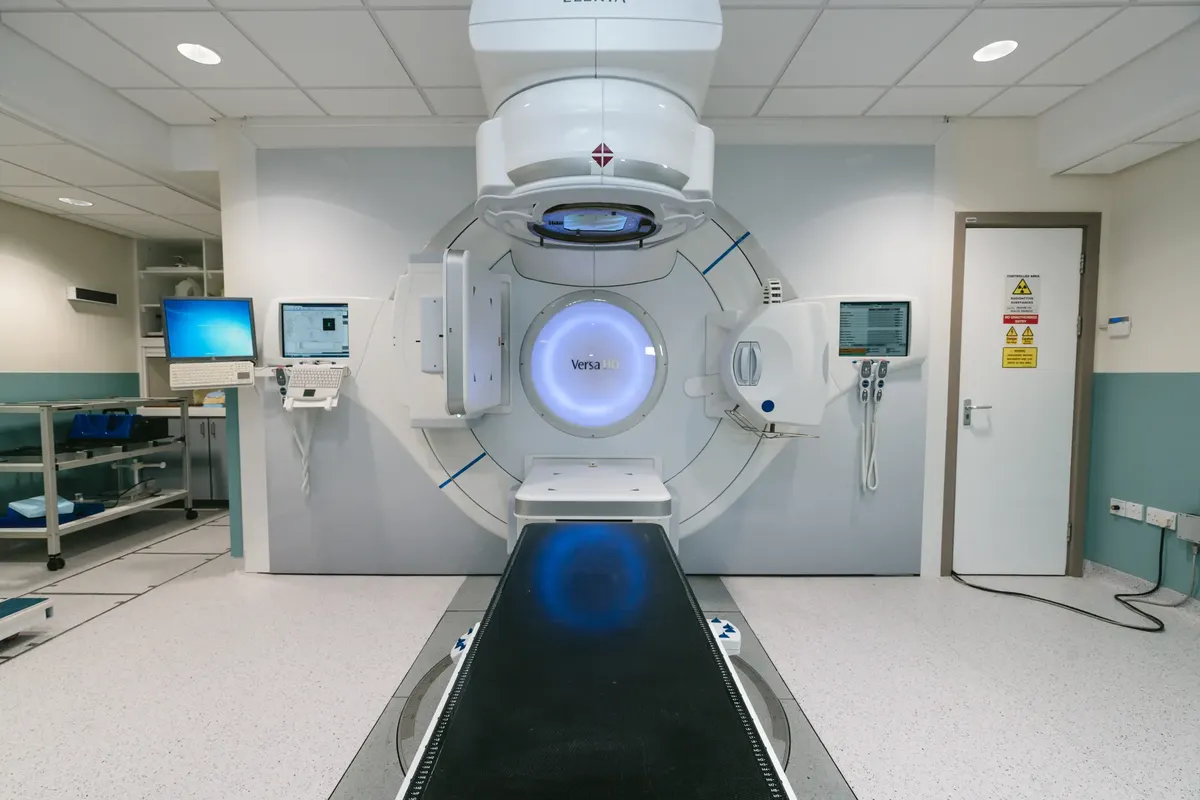
Having a high concentration of clinical trials means that many different types of cancer are being studied simultaneously. This concentration of expertise helps in refining protocols for various patient populations.
According to National Cancer Institute, the 2023 record includes 1.2 billion.
How is specialized funding used for targeted treatments?
A medical professional reviews a grant proposal aimed at addressing specific health disparities in vulnerable populations. Targeted funding addresses unique medical needs that general research might overlook.
This specific funding demonstrates how research can be directed toward intersectional health challenges.
It highlights the importance of specialized care for high-risk groups.
These targeted grants allow for the development of protocols that consider both the primary disease and complicating health factors. This level of precision is critical for the success of advanced heart disease care.
How does the institution manage global oncology programs?
A coordinator maps out a flight itinerary to a partner clinic in a developing nation, preparing for a collaborative training session. Global outreach programs extend the impact of American medical expertise to the international community.
The MD Anderson Cancer Center's Africa Initiative, part of its Global Oncology Program launched in September 2022, aims to reduce the cancer burden in low- and middle-income countries (LMICs) through comprehensive education, training, and collaborative research.
This initiative seeks to share knowledge and build local capacity to fight cancer.

By focusing on education and training, the program creates a sustainable impact on global health. These efforts are part of a broader mission to address cancer on a global scale.
What is the history of specialized collaborative centers?
An archivist looks through old records of a university-based research group to document its long-standing medical partnerships. Historical designations often reflect a long history of excellence in specialized care.
In May 1996, the Pan American Health Organization (PAHO/WHO) established the Collaborating Center for Supportive Cancer Care at the Pain Research Group, The University of Texas MD Anderson Cancer Center. This designation recognizes the institution's role in specialized supportive care.
Such partnerships integrate global health standards with local clinical expertise. These roles are essential for maintaining high-quality standards in specialized oncology.
How does infrastructure development impact future care?
A construction foreman examines blueprints for a new hospital wing, marking the site for upcoming groundbreakings. Physical expansion is necessary to accommodate growing research and patient needs.
The demolition of the Erwin Center is scheduled to be completed in 2024, and the groundbreakings for the new hospitals are projected to commence in 2026. This expansion will provide the physical space needed for future clinical and research activities.
| Category | Data Point |
|---|---|
| FY 2023 Research Investment | $1.2 billion |
I observed that the planned expansion reflects the need for modern facilities to house the growing number of clinical trials. This transition from older structures to new facilities is a vital part of institutional growth.

One limitation is that the specific health outcomes resulting from the 2026 hospital groundbreakings cannot be determined until the facilities are operational.
- How does research investment shape top US hospital cardiac cancer care?
- What defines the scale of clinical trials and NCI-funded projects?
- How is specialized funding used for targeted treatments?
The subject here is Top US hospital cardiac cancer.
The same subject is also called Best heart cancer care US.
The same subject is also called Top cardiac treatment centers.
The same subject is also called Accredited cancer hospitals.
This part also covers Compare US cardiac cancer outcomes.
This part also covers Accreditation in advanced oncology.
Compare US cardiac cancer outcomes
Related
FAQ
How many clinical trials does the center host?
Related posts

US hospital ranking criteria: Guide to top medical centers

US cancer hospital origins: Guide to modern treatment

US university hospital specialties guide for advanced care

Healthcare access index comparison: Spending levels and GDP
Popular posts

90 Days Out: Preparing for Your Overseas Medical Appointment

Australian Healthcare: How the Hybrid Model Works

COVID-19 best: Tips for managing public health transitions

Comments 0