How does a university hospital model function in practice?
"The integration of academic research and clinical practice defines the modern healthcare landscape, where teaching hospitals serve as the heartbeat of medical innovation and resident training."
A university hospital model functions by merging high-level clinical care with rigorous academic research and medical education. These institutions serve as hubs for training the next generation of physicians while managing complex patient needs through specialized expertise.
This analysis covers the structural integration of research and care, the role of teaching hospitals in residency training, and the logistical complexities of managing large-scale medical cities.
How does a university hospital model function in practice?
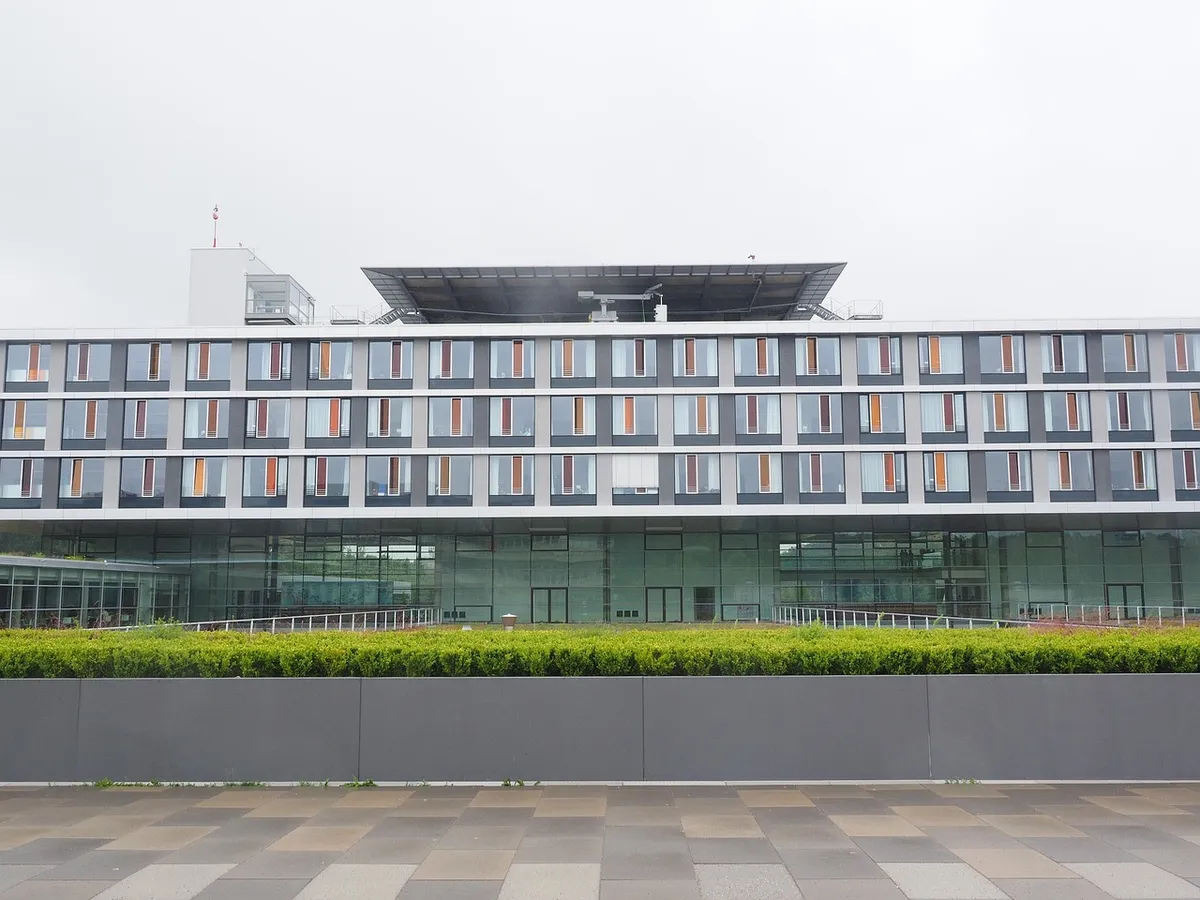
In the sterile hallway at dawn, a researcher brushes against the cold wall while observing how the residents move between the lab and the ward.
A researcher walks through a sterile corridor, transitioning from a high-tech laboratory to a patient consultation room. This seamless movement characterizes the university hospital model, where clinical practice and scientific inquiry exist in constant dialogue.
According to the American Nurses Credentialing Center, MGH was named the state's first Magnet hospital in 2003.
In these settings, the primary mission involves providing advanced patient care while simultaneously advancing medical knowledge.
This type of institution allows for clinical research synergy, where new treatments can be tested and implemented within the same facility.
This location provides a unique environment for clinical research integration, ensuring that academic findings reach the bedside.
Such facilities are designed to support both the resident physician and the complex needs of the local community.
- Integrate academic faculty into clinical practice.
- Coordinate student rotations with patient care.
- Align administrative oversight with educational goals.
What is the specific role of a teach hospital operation?
During the morning briefing, a mentor points toward a chart as the residents lean in to hear the instruction.
A senior physician stands over a resident during a morning briefing, discussing a complex case before they head to the wards. This interaction is the core of a teach hospital operation, where the primary goal is the hands-on instruction of medical professionals.

The hospital opened The Laurie Proton Therapy Center in 2015, according to The Laurie Proton Therapy Center.
These institutions are essential to the healthcare workforce, as they provide the necessary environment for clinical training. Approximately 375 of the larger institutions belong to the Association of American Medical Colleges’ Council of Teaching Hospitals and Health Systems (COTH).
These facilities are vital for maintaining high standards of medical proficiency across the country.
COTH teaching hospitals train about 75 percent of residents yearly and provide more than 40 percent of all hospital charity care in the nation. This dual responsibility ensures that while students learn, the community still receives essential services.
Through this medical education system, the next generation of specialists is shaped through direct clinical exposure.
In this sequence, the second step is the most extensive.
According to NIH, the 2018 record includes 14.3 million.
How does a university clinic role impact specialized care?
A specialist examines a patient using a newly developed diagnostic tool within a dedicated research wing. This specialized focus defines the university clinic role, where niche medical fields receive concentrated attention and advanced resources.
Specialized centers often focus on specific diseases or patient populations to drive innovation. For example, the UCSF Medical Center is a teaching hospital that also conducts biomedical research which is located in San Francisco, California.
This combination allows for the development of targeted therapies.
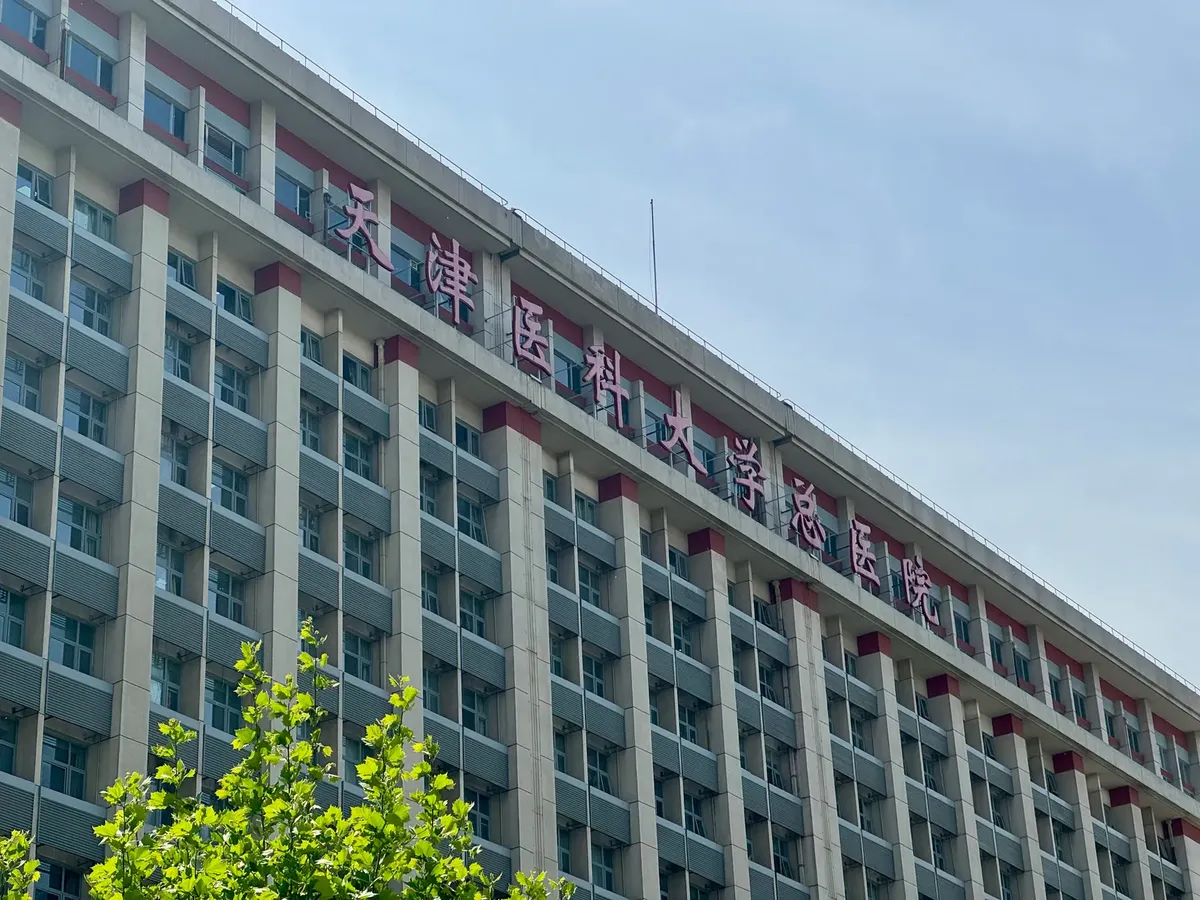
The UCLA Medical Center has research centers covering nearly all major specialties of medicine as well as dentistry and ophthalmology, and is the primary teaching hospital for the David Geffen School of Medicine at UCLA.
This intensive focus allows for advanced patient care that general hospitals may not be equipped to provide. By concentrating expertise, these clinics become leaders in their respective fields.
How is clinical research synergy managed in large medical cities?
An architect reviews a master plan for an expansive campus that connects hospitals, research institutes, and residential areas. Managing a medical city requires careful planning to ensure that various entities can collaborate effectively.
In 2003, MGH was named the state's first Magnet hospital by the American Nurses Credentialing Center, a subsidiary of the American Nurses Association, according to the American Nurses Association.
Large-scale campuses often act as self-contained ecosystems to support medical advancement.
The campus also includes the 184-acre (0.74 km2) Fitzsimons Innovation Community, UCHealth University of Colorado Hospital, Children's Hospital Colorado, the Rocky Mountain Regional Veterans Affairs hospital, and a residential/retail town center known as 21 Fitzsimons.
This integration supports the daily needs of staff and patients alike.
The medical city also includes the Sanford-Burnham Medical Research Institute, Nemours Children's Hospital, a University of Florida Academic and Research Center, and Valencia College at Lake Nona.
This density of resources fosters an environment where scientific discovery can happen alongside patient care. Such clusters are essential for large-scale medical development.
What are the logistical challenges of these large institutions?

A logistics manager coordinates the movement of supplies and personnel across a sprawling hospital campus. Managing a large-scale academic health science center requires significant administrative oversight to maintain operations.
The scale of these facilities presents unique challenges in terms of capacity and resource allocation. For instance, the non-profit hospital's share of total hospital capacity has remained relatively stable (about 70%) for decades. Maintaining this balance is critical for operational stability.
One limitation is that the effectiveness of these models can be influenced by the specific affiliations and regional dependencies of the institution.
These external relationships are necessary to manage the broad scope of care.
The same subject is also called Academic medical center.
Related
FAQ
What is the characteristic of the Cedars-Sinai Medical Center?
Related posts

How is specialized funding used for targeted treatments?

US hospital ranking criteria: Guide to top medical centers

US cancer hospital origins: Guide to modern treatment

US university hospital specialties guide for advanced care
Popular posts

90 Days Out: Preparing for Your Overseas Medical Appointment

Australian Healthcare: How the Hybrid Model Works

COVID-19 best: Tips for managing public health transitions

Comments 0