How do specialized certifications impact patient outcomes?
"The ability to consolidate specialized services in a single location ensures that advanced research and clinical care meet the highest standards of accuracy and patient safety."
The primary goal of US lab service accreditation is to ensure that diagnostic and research facilities maintain rigorous quality controls to support clinical decision-making.
This process validates that medical laboratories and pathology service standards are capable of producing reliable results for patient care.

Key takeaways include the importance of specialized certification, the role of advanced manufacturing laboratories in clinical trials, and the necessity of regional collaboration for specialized treatments.
How do specialized certifications impact patient outcomes?
A clinician reviews a stroke patient's scan in a brightly lit diagnostic room, looking for the specific markers of neurological distress. This high-stakes moment relies entirely on the facility's adherence to established quality benchmarks.
Achieving specific certifications, such as being recognized as an advanced primary stroke center by The Joint Commission, signifies that a facility possesses the critical elements necessary for long-term success in improving outcomes for stroke patients.
Such accreditation ensures that the laboratory and clinical services are prepared to handle acute medical crises with precision. This level of hospital testing certification is vital for maintaining readiness in high-pressure environments.
In this sequence, the second step is the most extensive.
What role do research laboratories play in clinical development?
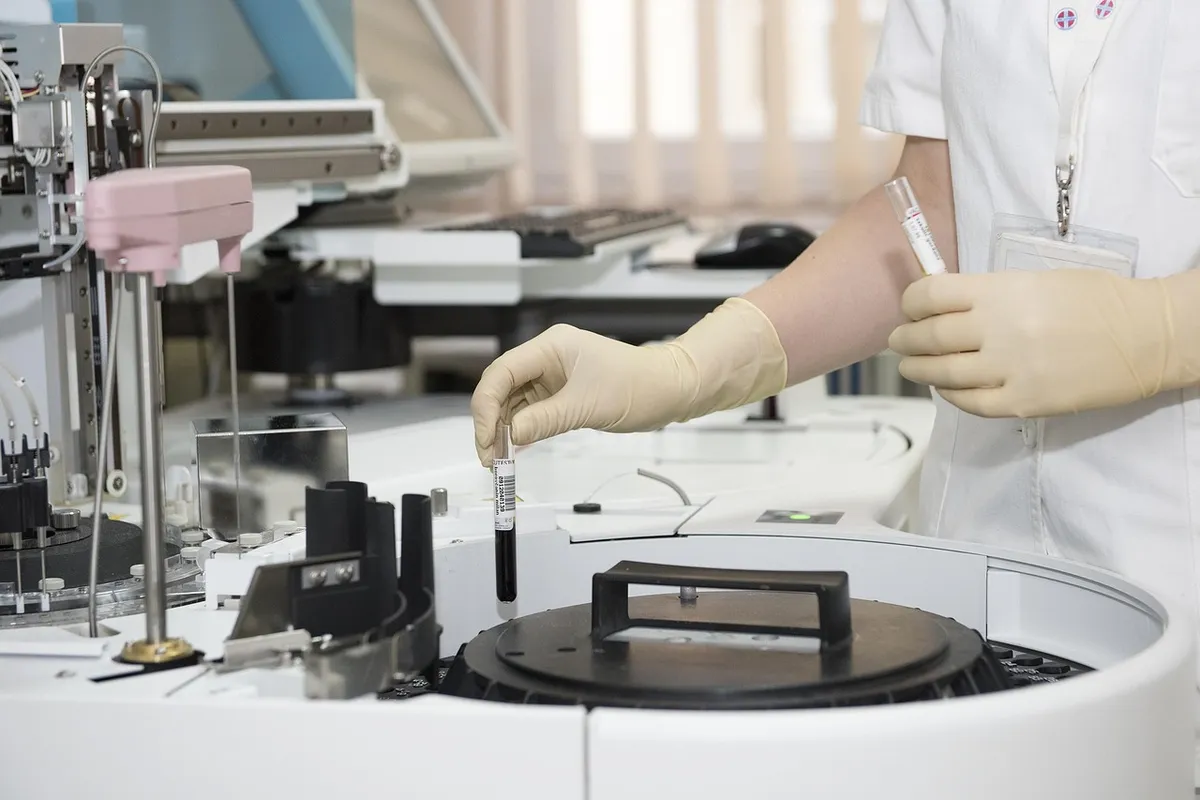
A researcher adjusts a pipette in a sterile environment, preparing a sample for a complex molecular analysis. The transition from experimental discovery to bedside application requires a bridge between laboratory innovation and clinical application.
The UC Davis Institute for Regenerative Cures includes Northern California's largest academic Good Manufacturing Practice laboratory, which is a federally certified facility.
This facility allows researchers to conduct clinical trials with patients, ensuring that the development of therapies meets strict regulatory requirements. Maintaining high-level pathology service quality control is essential when moving from the bench to the patient.
According to Firefighters Burn Institute, the 2005 record includes 1 million.
How does large-scale infrastructure support diagnostic services?
A technician monitors a massive network of data flowing from various county clinics into a central hub. Managing a vast geographic area requires robust communication and standardized diagnostic protocols to ensure equity in care.
In 2005 the Firefighters Burn Institute donated $1 million to help build a new, larger center that will consolidate services in a single location, according to the Firefighters Burn Institute.

A 646-bed hospital serves as a key referral center for a 65,000-square-mile area that includes 33 counties and 6 million residents. Such extensive coverage requires standardized lab testing standards to ensure that every patient receives a consistent level of care regardless of their location.
This broad reach necessitates highly organized diagnostic center quality control to manage the volume of incoming samples.
How can specialized medical centers collaborate for better care?
Two medical teams coordinate through a video link, discussing a complex case involving a pediatric patient. This interaction represents the seamless integration of different specialized services working toward a common goal.
The UC Davis Burn Center collaborates with neighboring Shriners Hospitals for Children Northern California hospital to create a regional burn treatment center. As part of their collaboration, UC Davis Medical Center cares for adult burn patients and Shriners for children.

This partnership demonstrates how specialized clinical lab compliance can be shared across institutions to provide comprehensive regional coverage.
What are the steps for maintaining a certified laboratory?
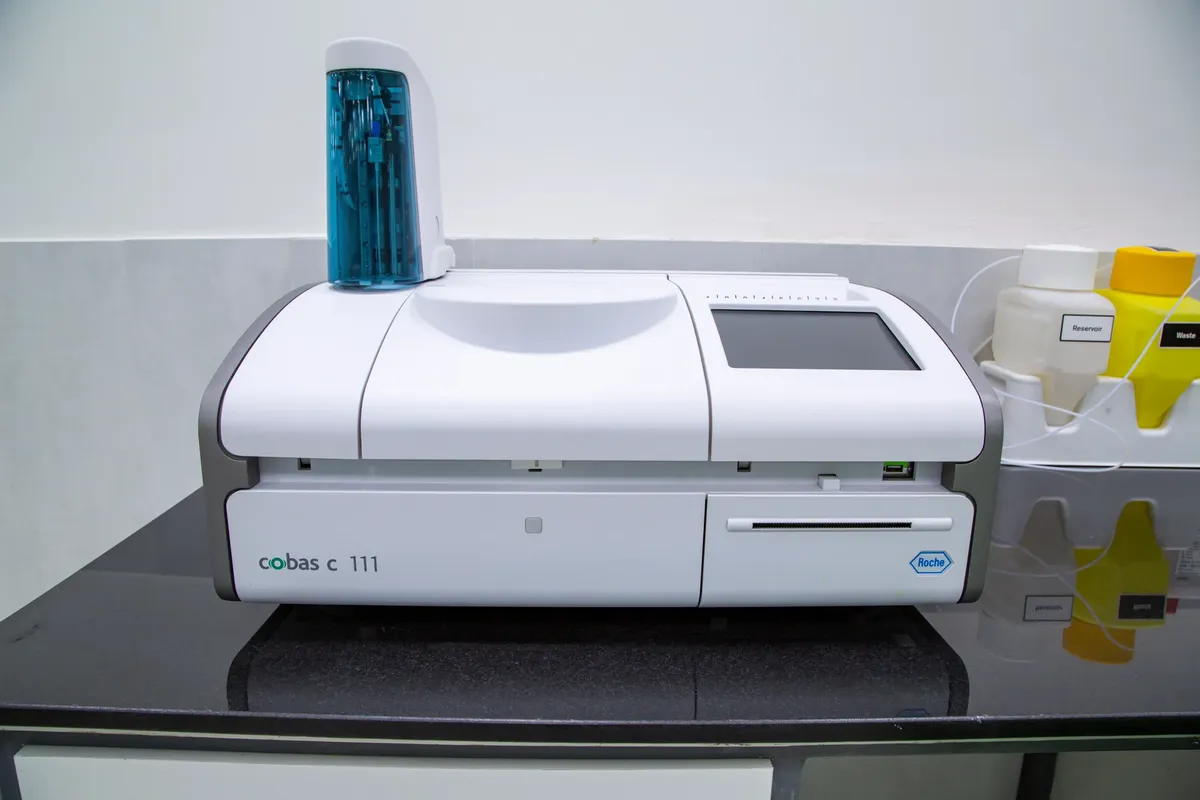
A supervisor walks through a laboratory, checking the calibration of automated analyzers and the cleanliness of the workspace. Maintaining accreditation requires constant vigilance and adherence to specific operational protocols.
- Conduct regular internal audits to ensure all equipment meets the required calibration standards for diagnostic accuracy. 2. Implement strict Good Manufacturing Practice protocols to facilitate the transition of research from the laboratory to clinical studies. to
- Verify that all staff training documentation is updated to reflect current regulatory requirements for specialized medical services.
I remember checking the calibration logs during a routine inspection to ensure every single measurement was within the allowed tolerance.
A limitation of these standards is that they primarily focus on facility-level compliance and specific clinical designations rather than individual practitioner performance.
- Conduct regular internal audits of all laboratory protocols.
- Update all technical equipment to meet current industry standards.
- Schedule periodic inspections by external regulatory bodies.
Wikipedia: City of Hope National Medical Center (full) Based on the retained excerpt mentioning Blood Institute: National Heart, Lung, and Blood Institute (NHLBI) contract to facilitate stem cell research from laboratory to clinical study; focus on development and manufacture of stem cell therapies—five-year, $8.6 million.
US lab service accreditation
The subject here is US lab service accreditation.
The same subject is also called medical lab accreditation.
lab testing standards
Related
FAQ
What does an advanced primary stroke center certification mean?
How does a Good Manufacturing Practice laboratory assist in research?
Related posts

What actually defines a nonprofit hospital?

Why robotic systems meet US specialty hospital criteria best

Nursing accreditation hospital trust: Guide to excellence

US trauma care system: Vital role of specialized staff, how
Popular posts

90 Days Out: Preparing for Your Overseas Medical Appointment

Australian Healthcare: How the Hybrid Model Works

COVID-19 best: Tips for managing public health transitions

Comments 0